
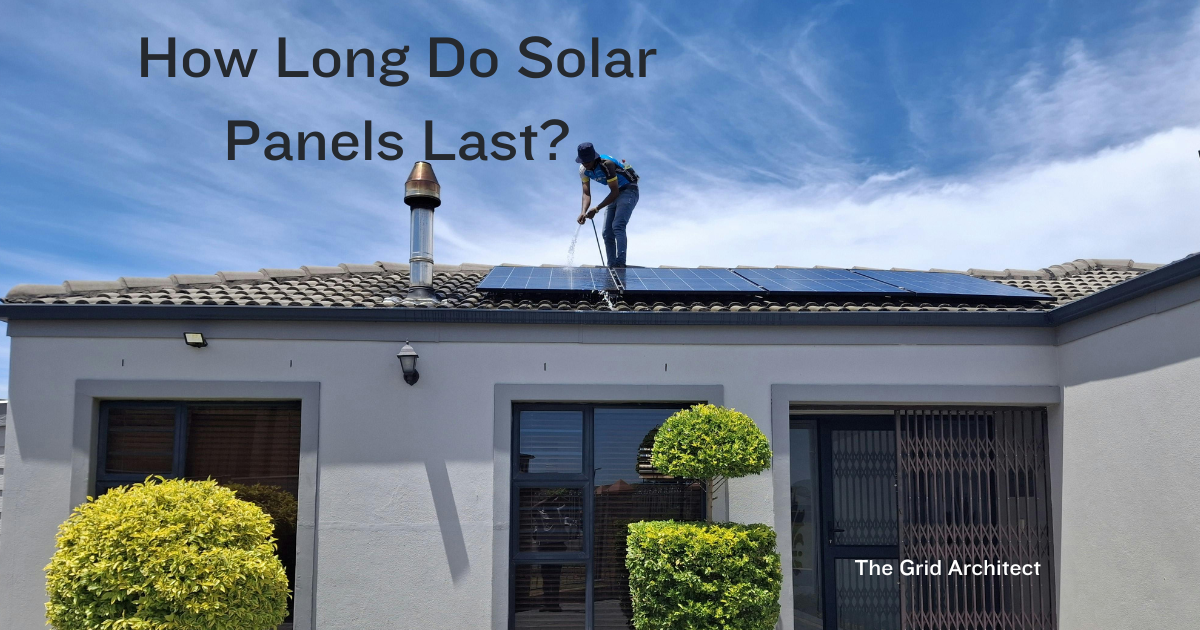

One of the most common questions homeowners ask before installing solar is: How long do solar panels last? Since solar is a long-term investment, understanding panel lifespan helps you estimate savings, maintenance needs, and return on investment. In this guide, we’ll break down the real lifespan of solar panels, how performance changes over time, and what affects durability.
👉 Solar panels typically last 25–30 years, with most systems still producing around 80–90% of their original output after 25 years.
Quick Answer
👉 Most solar panels last 25 to 30 years
- Warranty period: 25 years
- Performance after 25 years: 80–90% output
- Degradation rate: ~0.4%–0.5% per year
👉 Even after 30 years, panels continue producing electricity at reduced efficiency.
How Long Do Solar Panels Really Last?
Solar panels don’t suddenly stop working.
👉 Instead, they gradually lose efficiency over time.
- Year 1 → ~98% efficiency
- Year 10 → ~90% efficiency
- Year 25 → ~85% efficiency
👉 This gradual decline is called solar panel degradation
Lifespan by Solar Panel Type
Different panel types have different lifespans:
- Monocrystalline → 25–30+ years
- Polycrystalline → 25–30 years
- Thin-film → 10–20 years
👉 Most residential systems use monocrystalline panels for better longevity.
What Is Solar Panel Degradation?
Solar panel degradation is the slow loss of power output over time.
👉 Typical rate:
- Around 0.4% to 0.5% per year
👉 After 25 years:
- Panels still produce ~85% of original output
👉 High-quality panels degrade slower.
👉 Learn more about Solar Panel efficiency
What Fails First in a Solar System?
Solar panels rarely fail first.
👉 Instead:
- Inverters last 8–12 years
- Batteries last 5–15 years
👉 Panels are usually the most durable component in the system.
What Affects Solar Panel Lifespan?
Several factors influence how long your panels last:
☀️ 1. Panel Quality
Premium panels last longer and degrade slower.
👉 Better materials = longer lifespan
🌡 2. Climate & Temperature
- High heat reduces efficiency
- Extreme weather affects durability
👉 Panels are tested for harsh conditions but climate still matters.
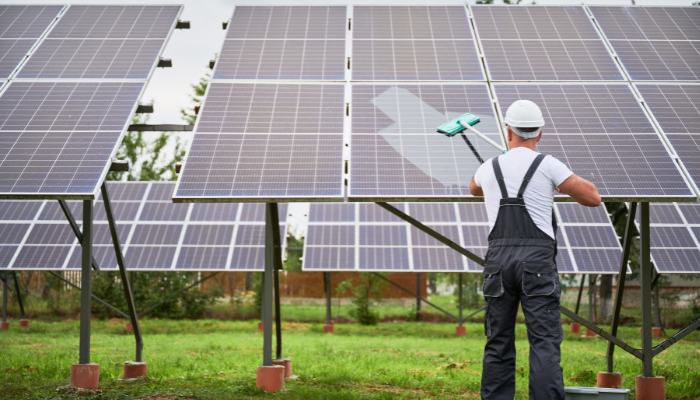
🧼 3. Maintenance & Cleaning
Dust and dirt reduce performance.
👉 Regular cleaning improves efficiency and longevity
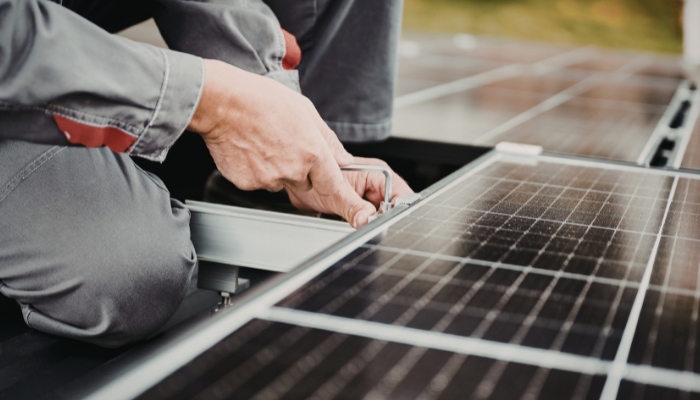
🏗 4. Installation Quality
Poor installation can reduce lifespan.
👉 Always use certified installers
⚡ 5. Inverter & System Design
Even if panels last long, inverter lifespan is shorter.
👉 Learn more: How to choose the right Solar Panel?
Do Solar Panels Last Longer Than Their Warranty?
Yes.
👉 Most panels come with a 25-year warranty, but:
- Many systems last 30–40 years
- Output reduces gradually but does not stop
👉 Warranty ensures performance — not lifespan limit
👉 Learn more: Solar Panel Warranty
Should You Worry About Solar Panel Lifespan?
👉 In most cases — NO.
Because:
- Payback period → 4–8 years
- Lifespan → 25–30 years
👉 This means you get 15–20 years of profit after recovering your cost.
What Happens After 25 Years?
After warranty period:
👉 Panels still work but with reduced output
Options:
- Continue using panels
- Upgrade to newer panels
- Expand system
👉 In many cases, continuing to use them is still cost-effective.
Real-World Example
Let’s say you install a 5kW system:
- Year 1 → Full output
- Year 10 → Slight reduction
- Year 25 → ~85% output
👉 You still generate significant electricity even after decades.
When Do Solar Panels Need Replacement?
Panels rarely need full replacement.
👉 Replacement may be required if:
- Physical damage occurs
- Output drops significantly
- You upgrade system capacity
👉 Most systems run efficiently for decades.
Do Solar Panels Fail Often?
No.
👉 Failure rates are very low.
- Most issues occur in early years
- After that, systems are stable
👉 High-quality panels rarely fail.
Lifespan vs Payback Period
Important distinction:
- Lifespan → 25–30 years
- Payback period → 4–8 years
👉 This means:
- You recover cost early
- Remaining years = profit
👉 Learn more: How much does solar cost?
Maintenance Required for Long Lifespan
To maximize lifespan:
- Clean panels regularly
- Monitor system performance
- Check inverter periodically
👉 Proper maintenance ensures optimal output.
Solar Panel Lifespan vs Other Components
| Component | Lifespan |
|---|---|
| Solar Panels | 25–30 years |
| Inverter | 8–12 years |
| Battery | 5–15 years |
👉 Panels last the longest in the system.
Common Myths About Solar Panel Lifespan
❌ “Panels stop working after 25 years”
👉 False — they continue producing power
❌ “Solar panels require frequent replacement”
👉 False — very durable systems
❌ “Degradation makes solar useless”
👉 False — output remains high even after decades
Real-World Insight
From actual installations:
- Most systems perform reliably for decades
- Degradation is predictable and slow
- Proper system design matters more than lifespan concerns
FAQs
How long do solar panels last on average?
25–30 years or more.
Do solar panels work after 25 years?
Yes, at reduced efficiency (~80–85%).
How fast do solar panels degrade?
About 0.4%–0.5% per year.
When should I replace solar panels?
Only if damaged or significantly underperforming.
Do solar panels need maintenance?
Minimal — mostly cleaning and monitoring.
Do solar panels last 30 years?
Yes — most panels last 25–30 years, and many continue working beyond that with reduced efficiency.
Final Thoughts
Solar panels are one of the most durable energy investments.
- Long lifespan (25–30 years)
- Slow degradation
- Reliable performance
👉 With proper installation and maintenance, solar panels continue generating electricity for decades.
Before installing solar:
👉 Use our solar calculator to estimate your system size, savings, and ROI.
