
Before installing solar panels, one of the most important questions is: Is solar really worth it financially? Understanding Solar Panel ROI (Return on Investment) and payback period helps you make a confident decision and avoid costly mistakes.
In this complete guide, we’ll break down:
- How solar ROI works
- Real-world examples
- Use cases for different homes
- Factors that impact returns
- How to maximize your savings
Quick Answer
👉 Solar payback period:
- 4 to 8 years (average)
👉 Solar ROI:
- 10% to 20% annual return
👉 System lifespan:
- 25+ years
👉 Meaning:
You recover your cost early and enjoy 15–20 years of free electricity
What Is Solar Panel ROI?
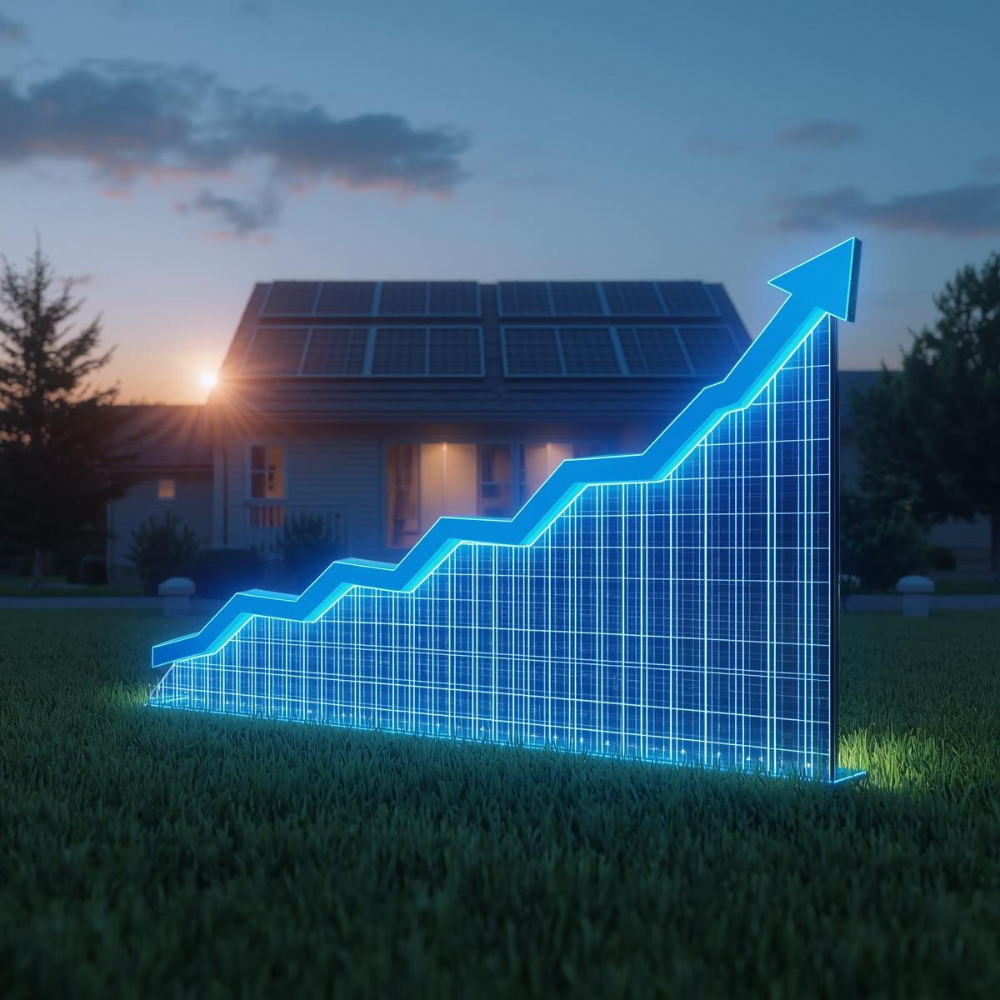
Solar panel ROI (Return on Investment) measures how much money you save compared to how much you spend on installing the system.
ROI Formula
ROI (%) = (Total Savings – System Cost) ÷ System Cost × 100
👉 Example:
- System cost → $10,000
- Total savings (25 years) → $30,000
👉 ROI:
(30,000 – 10,000) ÷ 10,000 × 100 = 200% ROI
What Is Payback Period?
Payback period is the time required to recover your initial investment.
Example:
- System cost → $8,000
- Annual savings → $1,200
👉 Payback:
8,000 ÷ 1,200 = 6.6 years
👉 After this, your electricity becomes essentially free.
Solar ROI Year-by-Year (Real Example)
Let’s assume:
- System cost → $8,000
- Annual savings → $1,200
👉 Year-wise:
Year 1 → -$6,800
Year 3 → -$4,400
Year 5 → -$2,000
Year 7 → $0 (break-even)
Year 10 → +$3,600
Year 25 → +$22,000+
👉 Most profits come after payback period.
Real-World Use Cases
Case 1: Small Home (Low Consumption)
- System size → 3 kW
- Cost → $5,000
- Savings → $800/year
👉 Payback → ~6 years
👉 Lifetime savings → $15,000+
Case 2: Medium Home (Typical Usage)
- System size → 5 kW
- Cost → $8,000
- Savings → $1,200/year
👉 Payback → ~6–7 years
👉 Lifetime savings → $25,000+
Case 3: Large Home (High Consumption)
- System size → 10 kW
- Cost → $15,000
- Savings → $2,500/year
👉 Payback → ~5–6 years
👉 Lifetime savings → $50,000+
👉 Calculate your system size: How many solar panels do you need?
Solar Panel ROI vs Other Investments
| Investment | Annual Return |
|---|---|
| Fixed deposits | 5–7% |
| Real estate | 6–10% |
| Stock market | 8–12% |
| Solar panels | 10–20% |
👉 Solar provides stable and predictable returns
Factors That Affect Solar Panel ROI

💵 1. Electricity Cost
Higher electricity rates → higher savings
☀️ 2. Sunlight Availability
More sunlight = more energy generation
👉 Learn more: Solar Panel Output per day
⚡ 3. System Efficiency
Efficient panels produce more electricity
👉 Learn more: Solar Panel Efficiency
💰 4. Installation Cost
Lower cost → faster payback
👉 Learn more: How much does solar cost?
🔋 5. Battery Storage
- Adds cost
- Provides backup
- May increase independence but reduce ROI
Solar ROI Timeline (Year-by-Year)
Year 1–5
- Partial cost recovery
Year 5–8
- Full payback achieved
Year 8–25
- Pure profit phase
👉 Most profits come after payback period.
ROI With vs Without Battery
Without Battery
- Lower initial cost
- Faster payback
- Higher ROI
With Battery
- Higher cost
- Longer payback
- Backup power benefit
👉 Choose based on needs.
How Rising Electricity Prices Boost ROI
Electricity prices increase every year (~3–6%).
👉 This means:
- Your savings increase annually
- Payback becomes faster
- Total ROI increases significantly
👉 Example:
- Current bill → $100/month
- Increase → 5% annually
👉 Over 25 years: Huge cost increase
👉 Solar protects you from rising energy costs.
When Solar May Not Be Worth It
Solar may not be ideal if:
- Very low electricity usage
- Poor sunlight conditions
- High shading issues
- Short-term home ownership
👉 In most other cases, solar is financially beneficial.
ROI Based on Location
High Sunlight Areas
- Faster payback
- Higher savings
Moderate Areas
- Average ROI
Low Sunlight Areas
- Slightly longer payback
👉 Location plays a major role.
Real-World Insights
From actual installations:
- Most homeowners recover cost within 5–7 years
- Savings increase over time
- Solar is one of the safest long-term investments
Residential vs Commercial Solar ROI
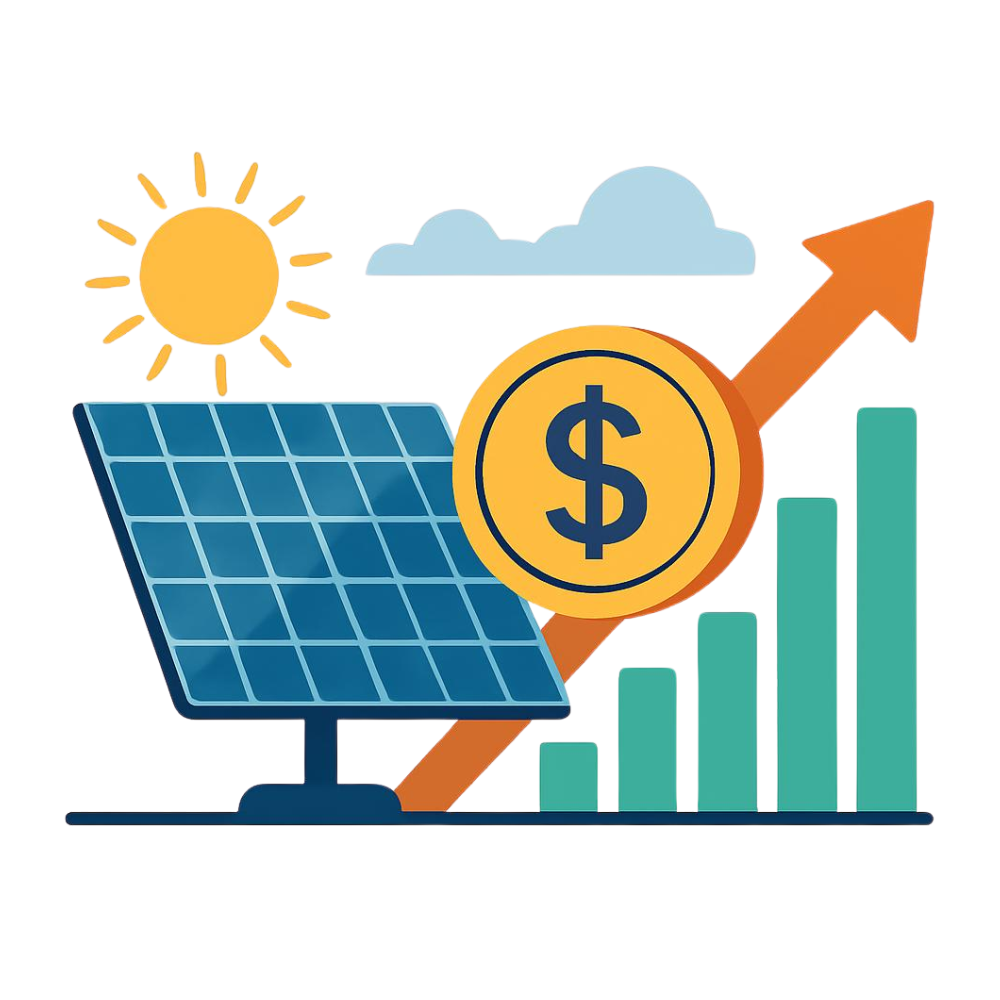
👉 Residential:
- Payback → 5–8 years
- ROI → 10–20%
👉 Commercial:
- Payback → 3–5 years
- ROI → 18–25%
👉 Businesses see faster returns due to higher electricity usage.
What Affects Your ROI (Quick View)
| Factor | Impact on ROI |
|---|---|
| High electricity bill | Faster payback |
| More sunlight | Higher savings |
| Lower system cost | Better ROI |
| High efficiency panels | Higher output |
| Battery addition | Slower ROI |
Common Mistakes That Reduce ROI
❌ Oversizing the system
Unnecessary investment
❌ Undersizing
Lower savings
❌ Ignoring shading
Reduces output
❌ Choosing low-quality panels
Higher degradation
👉 Always calculate properly: You can use our solar calculator.
📊 Solar vs No Solar (25-Year Comparison)
Without Solar
- Total electricity cost → $30,000+
With Solar
- System cost → $8,000
- Savings → $25,000+
👉 Net benefit: Massive long-term savings
Is Solar Worth It in 2026?
👉 In most cases: YES
Because:
- Electricity prices are rising
- Solar costs are decreasing
- Technology is improving
👉 Solar is now a mainstream financial decision.
Final Decision: Is Solar Worth It?
👉 Solar is worth it if:
- Your electricity bill is high
- You plan to stay in your home 5+ years
- Your roof gets good sunlight
👉 In most cases: Solar is one of the safest long-term investments available today.
FAQs
What is a good solar panel ROI?
10–20% annually is considered good.
What is average payback period?
4–8 years depending on system and location.
Does solar increase home value?
Yes, homes with solar systems often sell at higher prices.
What happens after payback?
You enjoy free electricity for years.
Is solar a safe investment?
Yes — it provides stable and predictable returns.
Final Thoughts
Solar panels are one of the most reliable long-term investments available today.
- Short payback period
- High ROI
- Long lifespan
👉 With rising electricity costs, solar becomes even more valuable.
Before installing solar:
👉 Use our solar calculator to estimate your system size, savings, and ROI accurately.
