

One of the most important questions before installing solar is: How much electricity does a solar panel produce per day? Understanding solar panel output per day helps you estimate how many panels you need, how much you can save, and whether solar is worth it for your home. In this complete guide, we break down real-world solar panel output, how to calculate it, and what factors impact performance.
Quick Answer
👉 A typical solar panel produces:
- 1.5 to 2.5 kWh per day
- Depends on panel wattage, sunlight, and location
👉 Example:
A 400W panel can generate around 1.6–2.2 kWh per day
👉 Most homes use systems that produce 15–30 kWh per day
How to Calculate Solar Panel Output Per Day
👉 Formula:
Daily Output (kWh) = Panel Wattage × Sun Hours ÷ 1000
Example Calculation:
- Panel: 400W
- Sunlight: 5 hours
👉 Output:
400 × 5 ÷ 1000 = 2 kWh per day
👉 This is the standard method used in solar system design.
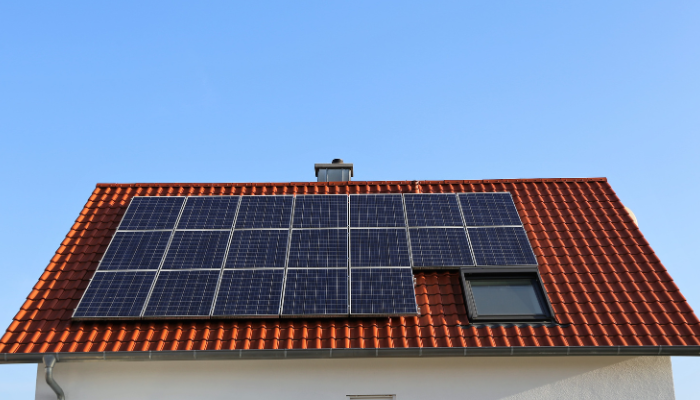
Solar Panel Output by Wattage
| Panel Wattage | Daily Output | Monthly Output |
|---|---|---|
| 300W | 1.2 – 1.8 kWh | 36 – 54 kWh |
| 400W | 1.6 – 2.2 kWh | 48 – 66 kWh |
| 500W | 2 – 2.8 kWh | 60 – 84 kWh |
👉 Higher wattage panels generate more electricity.
Solar Output Based on Location
Solar production depends heavily on sunlight availability.
High Sunlight Regions
- 5–6 sun hours/day
- High output
Moderate Regions
- 3–5 sun hours/day
- Average output
Low Sunlight Regions
- 2–3 sun hours/day
- Lower output
👉 This is why location plays a major role in solar performance.
Factors That Affect Solar Panel Output
Solar panel output per day can be affected by the following factors.

1. Sunlight Hours
More sunlight = higher output
2. Temperature
High temperatures reduce panel efficiency
3. Shading
Even small shadows can reduce output by 20–30%
4. Dust and Dirt
Dirty panels produce less electricity
5. Panel Efficiency
Higher efficiency panels produce more power
👉 Learn more: Solar Panel Efficiency
6. Inverter Efficiency
The inverter also affects total system output
Output Based on Sun Hours (Real Scenario)
Solar output depends on peak sun hours:
| Sun Hours | 400W Panel Output |
|---|---|
| 3 hours | ~1.2 kWh |
| 5 hours | ~2 kWh |
| 6 hours | ~2.4 kWh |
👉 More sunlight = higher output.
Solar Panel Output Per kW System
Instead of per panel, many people calculate output per system size.
Average Output:
- 1 kW system → 4–5 kWh per day
- 3 kW system → 12–15 kWh per day
- 5 kW system → 20–25 kWh per day
- 10 kW system → 40–50 kWh per day
👉 This is more practical for real-world usage.
Real Solar Panel Output (Based on Panel Size)
Here’s what typical panels produce daily:
- 300W panel → ~1.2–1.5 kWh/day
- 350W panel → ~1.5–1.75 kWh/day
- 400W panel → ~1.6–2.2 kWh/day
- 500W panel → ~2–2.8 kWh/day
👉 Example:
A 400W panel commonly generates about 2 kWh/day in good sunlight conditions.
Daily Output of Solar Systems
| System Size | Daily Output |
|---|---|
| 1 kW | 4–5 kWh |
| 3 kW | 12–15 kWh |
| 5 kW | 20–25 kWh |
| 10 kW | 40–50 kWh |
👉 A typical home system produces 15–30 kWh per day.
Real Example: Average Home Output
A home using ~30 kWh/day typically needs:
- ~15 solar panels
- Each panel producing ~2 kWh/day
👉 Total production:
~30 kWh/day → covers most household usage
Real-World Example
Here is a real world example of solar panel output per day.
Let’s say:
- System size: 5 kW
- Location: good sunlight
- Output: 22 kWh/day
👉 Monthly:
- ~660 kWh
👉 Enough for a medium-sized home.
Why Your Solar Output May Be Lower
Your system may produce less than expected due to:
- Shading from trees or buildings
- Dirt accumulation
- Incorrect panel angle
- Poor inverter efficiency
- Cloudy weather
👉 Real-world output is usually lower than lab ratings.
Solar Output vs Electricity Usage
Understanding your consumption is key.
Example:
- Daily usage: 20 kWh
- Panel output: 2 kWh
👉 Panels needed:
20 ÷ 2 = 10 panels
👉 Calculate your exact requirement: How many solar panels do you need?
How Solar Output Affects Savings
Higher output = higher savings.
👉 Over time:
- More energy production
- Lower electricity bills
- Faster payback
👉 Learn more: How much does solar costs?
How to Increase Solar Panel Output
To maximize performance:
- Install panels facing south (or optimal direction)
- Avoid shading
- Clean panels regularly
- Use high-efficiency panels
- Choose a good inverter
👉 Proper setup can improve output significantly.
Seasonal Variation in Solar Output
Solar output is not constant throughout the year.
Summer
- Higher output
- Longer daylight
Winter
- Lower output
- Shorter days
👉 Annual average matters more than daily variation.
Common Mistakes to Avoid
❌ Overestimating sunlight hours
Always use realistic values
❌ Ignoring shading
Major impact on output
❌ Choosing wrong panel type
Efficiency matters
❌ Not calculating system size
👉 Use our solar calculator to find the exact solar requirement.
Output vs Battery Storage
If you use batteries:
- Store excess energy
- Use at night
👉 Helps maximize solar usage
Real-World Insight
From actual installations:
- Most homes generate 15–30 kWh/day
- Proper system sizing is critical
- Efficiency + installation matter more than panel count
FAQs
How much electricity does a solar panel produce per day?
Around 1.5–2.5 kWh depending on conditions.
How many kWh does a 400W panel produce daily?
Around 1.6–2.2 kWh.
How much does a 5kW system produce per day?
Around 20–25 kWh.
Does weather affect solar output?
Yes, sunlight and temperature impact production.
Can solar panels produce power at night?
No — they require sunlight.
🎯 Final Thoughts
Solar panel output per day depends on:
- Sunlight
- Panel efficiency
- System size
- Installation quality
👉 On average:
- A panel produces 1.5–2.5 kWh/day
- A home system produces 15–30 kWh/day
👉 The key is accurate calculation and proper system design.
Before installing solar:
👉 Use our solar calculator to estimate your system size, savings, and output.
