
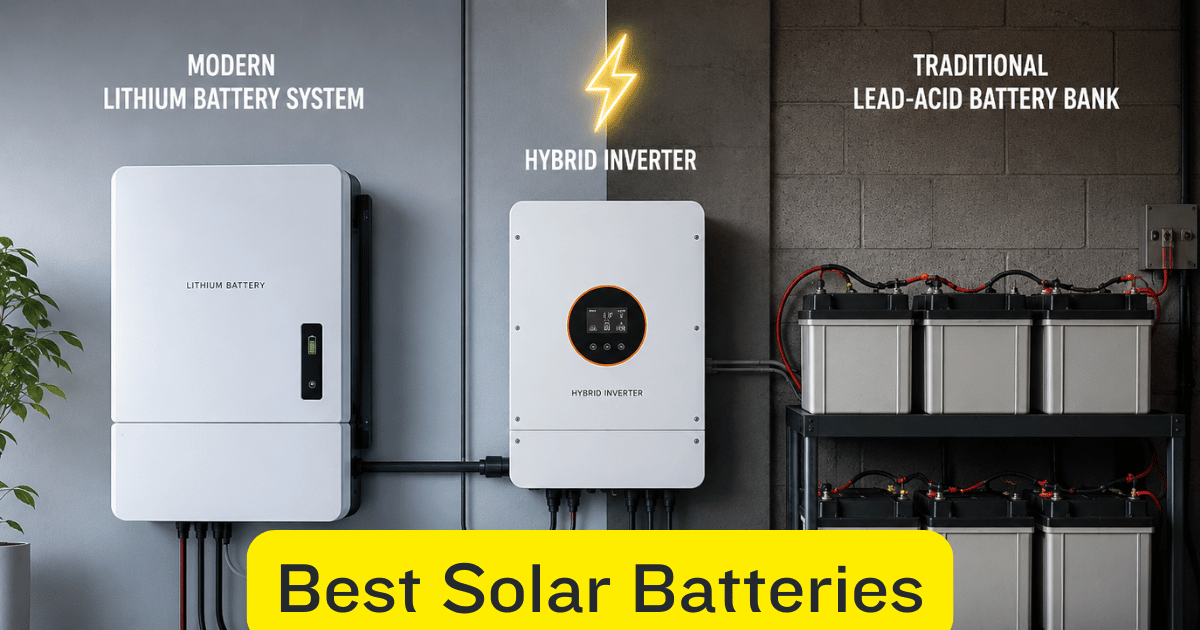

Choosing the right solar battery is one of the most important decisions in a home solar system. Best solar batteries are important for an efficient solar system. A good solar battery can:
- Increase backup time
- Reduce electricity bills
- Improve energy independence
- Maximize solar usage
- Provide reliable power during outages
But with so many battery technologies and brands available: Which solar battery is actually the best?
In this complete 2026 guide, you’ll learn:
- Best solar batteries available today
- Lithium vs lead-acid comparison
- Real-world battery examples
- Battery sizing basics
- Lifespan and efficiency
- Which battery is best for different homes and budgets
Quick Answer
The best solar batteries in 2026 are usually:
- Tesla Powerwall
- Enphase IQ Battery
- LG Energy Solution RESU
- BYD Battery-Box
- Sonnen Eco
For most homeowners: Lithium batteries are the best long-term choice because of:
- Better efficiency
- Longer lifespan
- Lower maintenance
- Better backup performance
Modern lithium solar batteries can provide backup power, reduce electricity bills, and improve energy independence for homes using solar systems.
What Does a Solar Battery Do?
A solar battery stores excess electricity generated during daytime.
At night or during outages: Stored electricity powers your home.
Without battery storage: Extra solar energy is usually exported to the grid.
Why Solar Batteries Are Becoming Popular
Homeowners increasingly want:
- Backup power during outages
- Lower electricity bills
- Reduced dependence on utility companies
- Better solar energy utilization
👉 Battery prices are also gradually becoming more affordable.
Types of Best Solar Batteries
| Battery Type | Best For |
|---|---|
| Lithium-ion | Most homes |
| LiFePO4 | Long lifespan & safety |
| Lead-acid | Budget systems |
| Gel battery | Moderate backup needs |
| AGM battery | Small low-maintenance systems |
BEST SOLAR BATTERIES AVAILABLE IN 2026
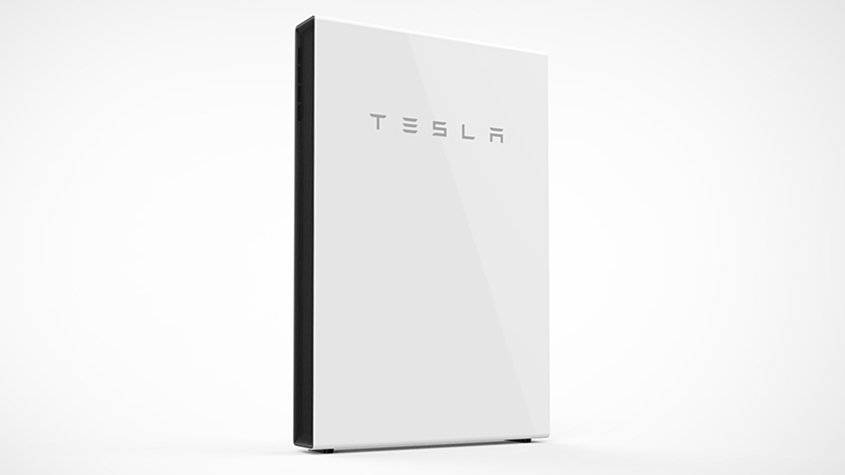
1. Tesla Powerwall (Best Overall Premium Battery)
The Tesla Powerwall is one of the most recognized home battery systems globally.
Advantages
- Excellent backup performance
- Smart energy management
- Seamless app monitoring
- High usable capacity
- Strong ecosystem integration
Typical Specs
- Capacity → ~13.5 kWh
- Battery Type → Lithium-ion
- Backup → Whole-home or essential loads
Best For
- Premium residential systems
- Smart home integration
- Homes with frequent outages
Downsides
- Expensive
- Availability may vary by region
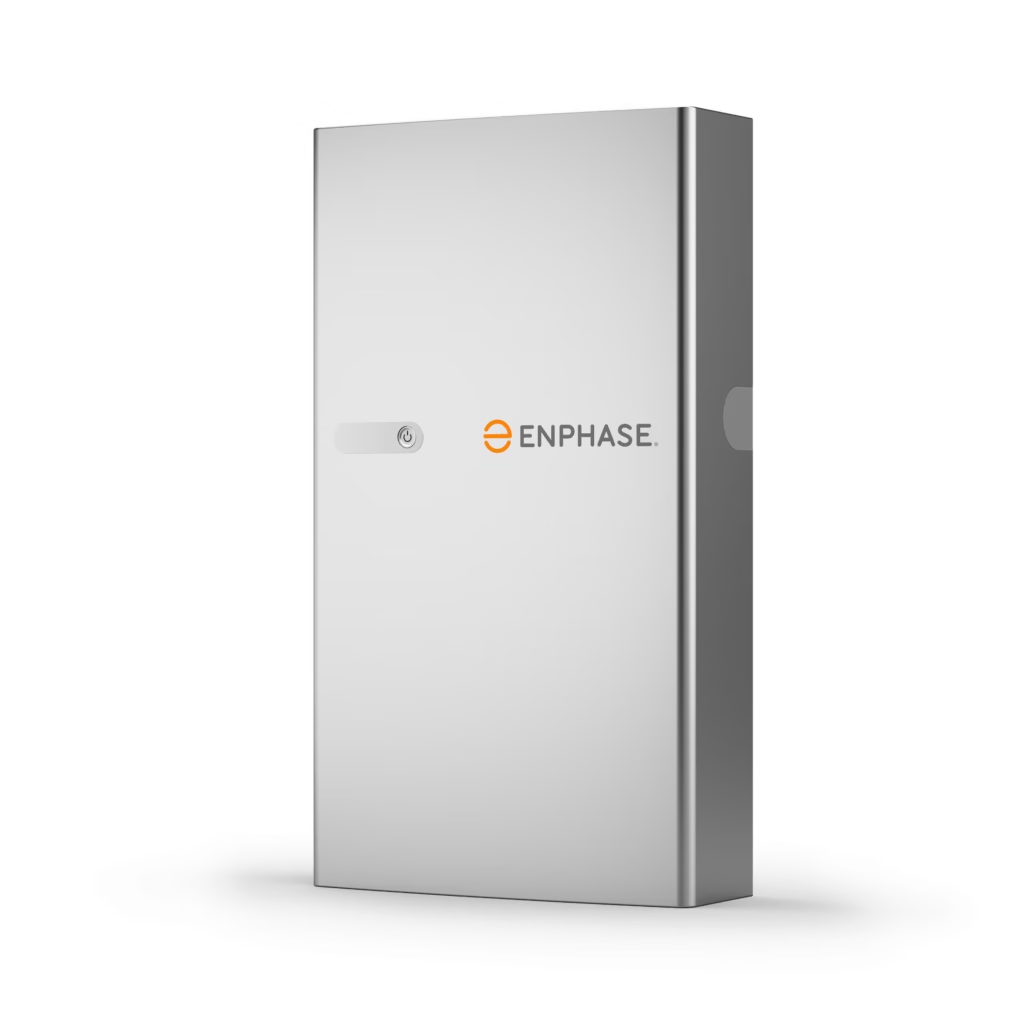
2. Enphase IQ Battery (Best for Modular Expansion)
Enphase batteries are highly popular in microinverter-based solar systems.
Advantages
- Modular design
- Excellent monitoring
- Scalable capacity
- Reliable performance
Best For
- Homes using Enphase microinverters
- Future system expansion
- Smart energy monitoring
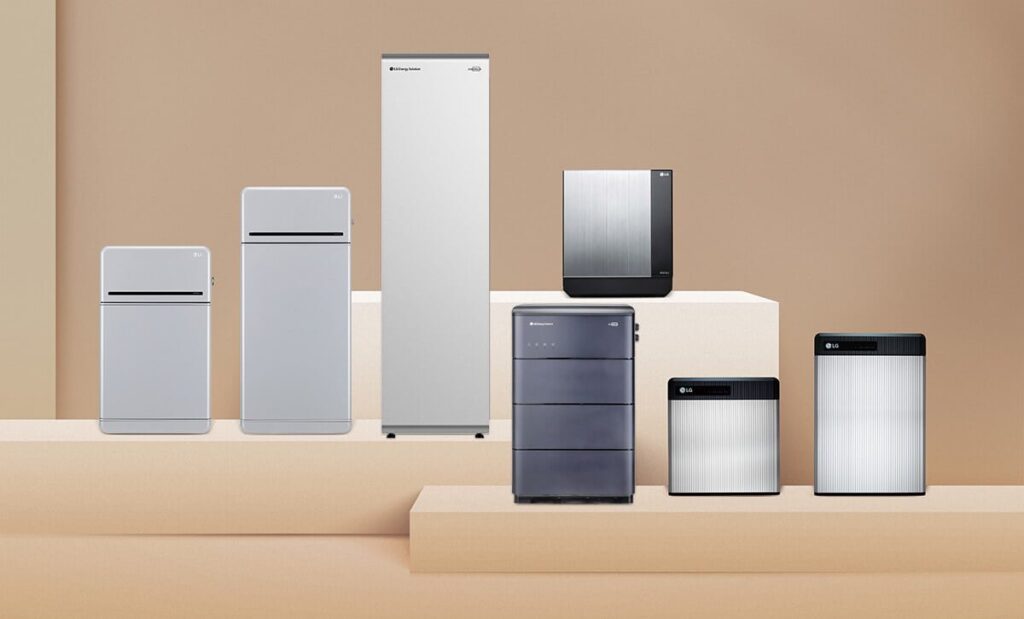
3. LG Energy Solution RESU (Best Compact Battery)
LG RESU batteries are known for:
- Compact design
- High energy density
- Reliable performance
Advantages
- Space-saving
- Good efficiency
- Strong reputation
Best For
- Homes with limited installation space
- Medium-sized backup systems
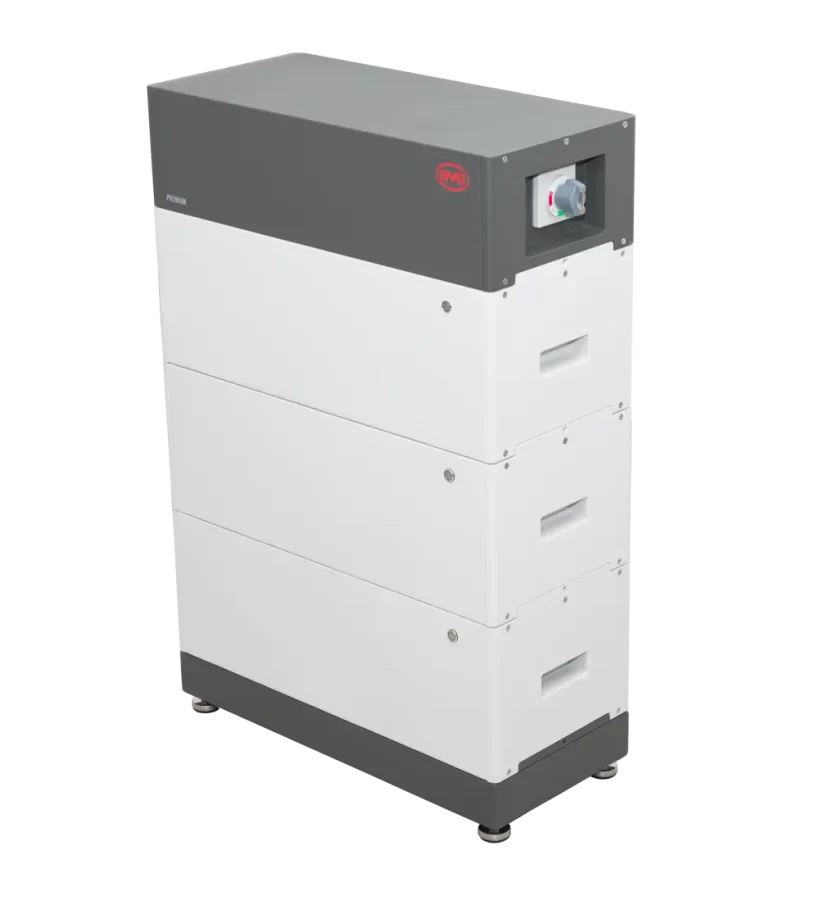
4. BYD Battery-Box (Best for Large Systems)
BYD Battery-Box systems are widely used in:
- Large residential systems
- Commercial installations
Advantages
- Expandable capacity
- Strong reliability
- Flexible configurations
Best For
- Large homes
- High energy consumption
- Future expansion
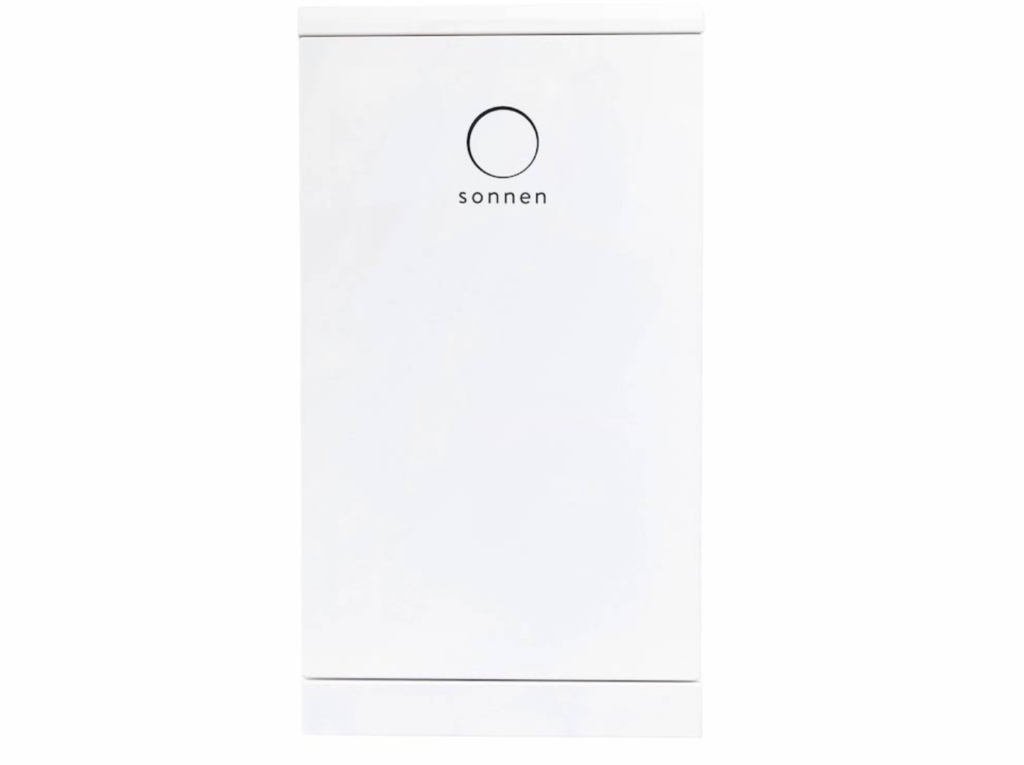
5. Sonnen Eco (Best Smart Energy Management)
Sonnen batteries focus heavily on:
- Smart energy management
- Grid optimization
- Long-term reliability
Advantages
- Intelligent energy control
- Reliable long lifespan
- Strong backup features
Best For
- Smart energy homes
- Premium solar installations
6. Generic LiFePO4 Batteries (Best Value Long-Term)
LiFePO4 batteries are becoming extremely popular because of:
- Long lifespan
- Excellent safety
- Better thermal stability
Advantages
- 10–20 year lifespan
- Safer chemistry
- Lower maintenance
Disadvantages
- Higher upfront cost
Best For
- Daily heavy cycling
- Long-term investment
- Hybrid solar systems
7. Lead-Acid Batteries (Best Budget Option)
Lead-acid batteries remain common in:
- Small systems
- Budget installations
- Rural backup systems
Advantages
- Lower upfront cost
- Widely available
Disadvantages
- Shorter lifespan
- More maintenance
- Lower efficiency
Lithium vs Lead-Acid Solar Battery
| Feature | Lithium | Lead-Acid |
|---|---|---|
| Lifespan | Longer | Shorter |
| Maintenance | Low | Higher |
| Efficiency | Higher | Lower |
| Charging Speed | Faster | Slower |
| Weight | Lighter | Heavier |
| Upfront Cost | Higher | Lower |
Best Solar Batteries Comparison Table
| Feature | Tesla Powerwall | Enphase IQ Battery | BYD Battery-Box |
|---|---|---|---|
| Battery Type | Lithium-ion | Lithium-ion | LiFePO4 |
| Best For | Premium whole-home backup | Modular expansion | Large scalable systems |
| Backup Capability | Excellent | Very good | Excellent |
| Scalability | High | Excellent | Excellent |
| Smart Monitoring | Advanced | Advanced | Good |
| Maintenance | Low | Low | Low |
| Lifespan | Long | Long | Very long |
| Ideal Home Size | Medium to large homes | Small to medium homes | Medium to large homes |
Best Solar Battery for Different Needs
Best Overall Premium Battery
👉 Tesla Powerwall
Best Expandable System
👉 Enphase IQ Battery
Best Long-Term Lifespan
👉 LiFePO4 Battery Systems
Best Budget Option
👉 Lead-Acid Batteries
Best for Large Homes
👉 BYD Battery-Box
Which Solar Battery Is Best for Different Homes?
Small Homes
👉 Small lithium battery systems work well.
Medium Homes
👉 Hybrid inverter + lithium battery recommended.
Large Homes
👉 Larger LiFePO4 systems ideal for longer backup.
Budget-Conscious Users
👉 Lead-acid batteries may still be suitable.
Real-World Battery Backup Examples
Case 1: Small Apartment Backup
Battery:
- 5 kWh lithium battery
Loads:
- Lights
- Fans
- Wi-Fi
👉 Backup: 5–8 hours.
Case 2: Home With Frequent Power Cuts
Battery:
- Tesla Powerwall or LiFePO4 battery
Loads:
- Refrigerator
- Lights
- Fans
- TV
👉 Backup: 10–14 hours depending on usage.
Case 3: Budget Solar System
Battery:
- Lead-acid battery bank
Usage:
- Basic lighting and fans
👉 Lower upfront investment but shorter lifespan.
Battery Capacity Explained
Battery capacity is measured in: kWh (kilowatt-hours)
Example
Battery:
- 10 kWh
Possible usage:
- 1 kW load for ~10 hours
OR - 2 kW load for ~5 hours
Which Solar Battery Lasts the Longest?
LiFePO4 batteries generally provide the longest lifespan.
Typical lifespan:
- 10–20 years
- Thousands of charging cycles
👉 They are increasingly becoming the preferred choice for modern hybrid systems.
What Affects Solar Battery Backup Time?
Several factors affect battery performance:
- Battery size
- Appliance usage
- Battery type
- Temperature
- Solar charging
- Inverter efficiency
Weather Impact on Battery Performance
Hot Weather
Hot weather can accelerate battery aging.
Cold Weather
Cold weather can temporarily reduce capacity.
👉 Proper ventilation is important.
Battery Depth of Discharge (DoD)
Depth of discharge refers to: How much battery capacity can be safely used.
Example
Battery:
- 10 kWh
Usable capacity:
- 8–9 kWh
👉 Higher usable capacity improves backup performance.
Solar Battery Lifespan
| Battery Type | Average Lifespan |
|---|---|
| Lead-acid | 3–7 years |
| Lithium-ion | 10–15 years |
| LiFePO4 | 10–20 years |
Best Solar Battery for Frequent Power Cuts
Homes with frequent outages should prioritize:
- High backup capacity
- Fast switching
- Reliable inverter compatibility
👉 Tesla Powerwall and LiFePO4 systems are especially popular for backup applications.
Can You Add Solar Battery Later?
Yes. Many modern hybrid solar systems allow homeowners to:
- Install solar panels first
- Add battery storage later
👉 This reduces initial installation cost while allowing future expansion.
Solar Battery Maintenance Tips
Avoid Deep Discharge
Improves lifespan.
Monitor Battery Temperature
Heat damages batteries.
Use Proper Inverter Settings
Incorrect charging reduces battery life.
Clean Solar Panels
Cleaning the solar panels, improves charging efficiency.
Common Solar Battery Buying Mistakes
Common mistakes include:
- Choosing based only on price
- Ignoring backup requirements
- Undersizing battery capacity
- Using incompatible inverter systems
👉 Proper sizing and compatibility are extremely important.
Common Solar Battery Problems
Fast Battery Drain
The fast draining batteries are often caused by:
- High power usage
- Aging battery
- Poor charging
Charging Problems
Battery charging problems can result from:
- Dirty panels
- Inverter issues
- Wiring problems
Overheating
Poor ventilation affects performance.
How to Choose the Best Solar Battery
Choose based on:
- Budget
- Backup requirements
- Battery lifespan
- Daily energy usage
- Future expansion plans
How Many Solar Batteries Does a House Need?
It depends on:
- Daily electricity usage
- Backup expectations
- Appliance load
Example
Small home:
- 5–10 kWh battery may be enough
Large home:
- Multiple batteries may be required for full-home backup
Quick Battery Recommendation Guide
| Need | Best Battery |
|---|---|
| Best overall | Tesla Powerwall |
| Longest lifespan | LiFePO4 |
| Best smart features | Sonnen Eco |
| Best modular system | Enphase IQ |
| Lowest upfront cost | Lead-acid |
Are Solar Batteries Worth It?
Solar batteries are worth it if:
- Power outages are frequent
- Electricity rates are high
- Backup power is important
- You want greater energy independence
👉 Hybrid systems especially benefit from battery storage.
Real Solar Battery Savings Example
A homeowner with:
- 5 kW solar system
- 10 kWh battery
reduced evening grid usage significantly.
👉 Result: Lower electricity bills and better energy independence.
Are Cheap Solar Batteries Worth It?
Budget batteries may reduce upfront cost, but they often:
- Have shorter lifespan
- Require more maintenance
- Provide lower efficiency
👉 Long-term value is usually better with high-quality lithium systems.
When Solar Batteries May Not Be Necessary
Battery storage may not be necessary if:
- Grid power is highly reliable
- Electricity rates are low
- Backup power is not important
👉 Some homeowners benefit more from simple grid-tied solar systems.
FAQs
Which solar battery is best for home use?
Lithium-ion batteries are usually the best overall option.
What is the longest lasting solar battery?
LiFePO4 batteries typically last the longest.
Are lithium batteries better than lead-acid?
Yes — they are more efficient and last longer.
How long can a solar battery power a house?
Depends on battery size and electricity usage.
Are solar batteries worth the investment?
Yes, especially for backup power and energy independence.
Final Thoughts
The best solar battery depends on:
- Your budget
- Backup needs
- Daily electricity usage
- Long-term goals
👉 For most homeowners: Lithium batteries offer the best balance of:
- Performance
- Lifespan
- Efficiency
- Reliability
As battery technology improves, solar storage is becoming one of the most valuable upgrades for modern solar systems.
Before choosing a solar battery:
👉 Use our solar calculator to estimate your energy usage, backup needs, and battery size accurately.
