
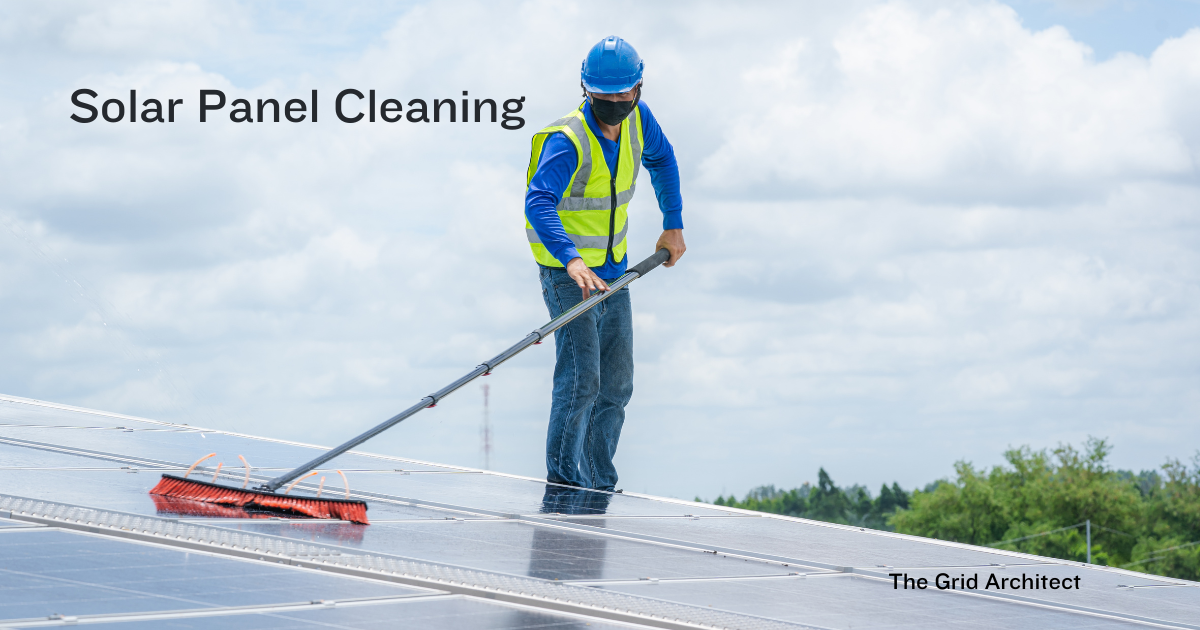

Solar panels are designed to operate for 25–30 years with very little maintenance. But even the best solar panels lose efficiency when dirt, dust, bird droppings, and debris block sunlight. Proper solar panel cleaning helps:
- Increase electricity production
- Maintain system efficiency
- Improve long-term savings
- Prevent performance issues
- Protect your return on investment (ROI)
Quick Answer
Most solar panels should be cleaned:
- Every 6–12 months
In dusty, polluted, or bird-heavy areas:
- Every 3–6 months may be needed
Dirty panels can reduce output by:
- 5–20% depending on conditions
Even small dirt buildup can affect long-term savings.
Why Solar Panel Cleaning Matters
Solar panels generate electricity by absorbing sunlight.
When dirt blocks sunlight:
👉 Energy production decreases.
Over time, this can significantly impact:
- Monthly savings
- System efficiency
- Payback period
What Makes Solar Panels Dirty?
Solar panels are constantly exposed to outdoor conditions.
Common Causes of Dirt Buildup
- Dust and sand
- Bird droppings
- Tree pollen
- Leaves and debris
- Pollution
- Smoke residue
- Hard water stains
Real Example
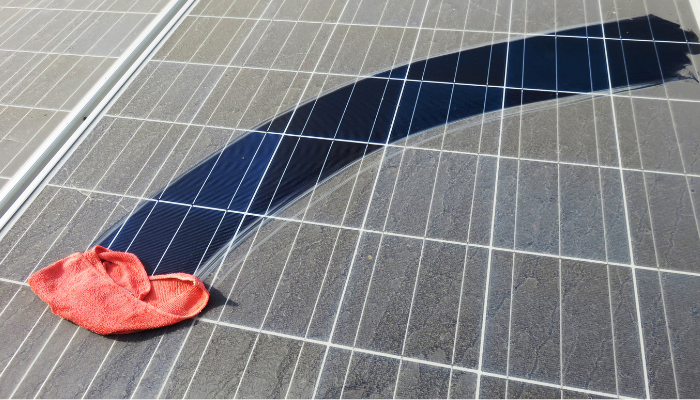
A 5kW solar system normally producing:
- 22 kWh/day
After months without cleaning:
- Production dropped to ~18 kWh/day
👉 That’s nearly:
- 15–20% production loss
After cleaning:
- Output returned close to normal levels.
👉 Learn more about production: Solar Panel Output per day
How Dirt Reduces Solar Efficiency
Not all dirt affects panels equally.
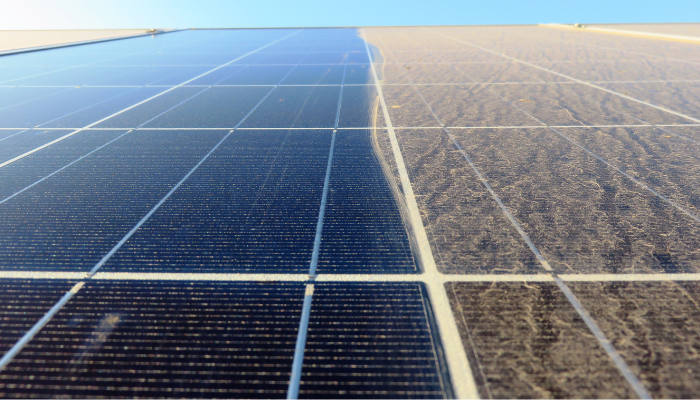
Light Dust
Small impact:
- 2–5% loss
Moderate Dirt
More noticeable:
- 5–10% loss
Heavy Dirt or Bird Droppings
Can create:
- Hot spots
- Local overheating
- Major output reduction
👉 In severe cases:
- 10–20% production loss or more
Solar Output Loss by Dirt Level
| Dirt Condition | Estimated Output Loss |
|---|---|
| Light dust | 2–5% |
| Moderate dirt | 5–10% |
| Heavy buildup | 10–20% |
| Bird droppings | Significant local loss |
| Partial shading | Major performance impact |
👉 Small shaded areas can disproportionately affect system performance.
How Often Should Solar Panels Be Cleaned?
Cleaning frequency depends heavily on:
- Environment
- Weather
- Roof angle
- Nearby trees
- Pollution levels
Recommended Cleaning Frequency
| Environment | Recommended Cleaning |
|---|---|
| Residential areas | Every 6–12 months |
| Dusty regions | Every 3–6 months |
| Industrial zones | 2–4 times/year |
| Areas with birds | Frequent inspection |
| Rainy climates | Less frequent cleaning |
Real-World Cleaning Scenarios
Case 1: Dusty Dry Climate
Location:
- Dry, dusty region
Problem:
- Fine dust layer reduced output by 15%
Solution:
- Cleaning every 3 months
👉 Result: Consistent energy production restored.
Case 2: Bird Droppings on One Panel
Problem:
- One panel consistently underperforming
Cause:
- Bird droppings creating localized shading
Result:
- Entire string output affected
Solution:
- Cleaning + bird guard installation
👉 System performance improved immediately.
Case 3: Tree Pollen and Leaf Buildup
Problem:
- Seasonal output drop during spring
Cause:
- Pollen accumulation + leaves near panel edges
Solution:
- Seasonal cleaning schedule
👉 Output stabilized year-round.
How to Know Your Solar Panels Need Cleaning
Watch for:
- Visible dirt buildup
- Sudden output reduction
- Uneven panel appearance
- Higher electricity bills
- Monitoring app alerts
Example
Normal output:
- 20 kWh/day
Current output:
- 15–16 kWh/day
👉 Possible causes:
- Dirt buildup
- Shading
- Inverter issue
Related troubleshooting guide: Solar Panel not producing enough power
Best Way to Clean Solar Panels
Safe Cleaning Method
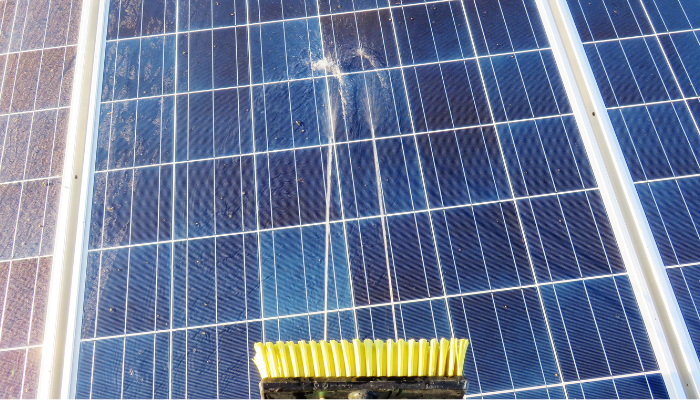
Use:
- Soft sponge or microfiber cloth
- Mild soap and water
- Low-pressure hose
Best Time to Clean
👉 Early morning or evening
Avoid:
- Peak afternoon heat
Why?
Cold water on hot panels may cause:
- Thermal stress
- Micro-cracks in glass
What NOT to Use
Avoid:
- Pressure washers
- Hard brushes
- Harsh chemicals
- Abrasive cleaners
- Metal scrapers
👉 These can damage:
- Glass surface
- Anti-reflective coating
Step-by-Step Solar Panel Cleaning Process
Step 1: Turn OFF the System
Follow inverter or manufacturer guidelines.
Step 2: Remove Loose Dust
Use:
- Soft brush
- Gentle water spray
Step 3: Wipe Gently
Clean surface using:
- Soft sponge or microfiber cloth
Step 4: Rinse Thoroughly
Avoid leaving soap residue.
Step 5: Inspect the System
Check for:
- Cracks
- Loose wires
- Bird nests
- Hot spots
DIY vs Professional Solar Panel Cleaning
DIY Cleaning
Suitable for:
- Single-story homes
- Easy roof access
- Light cleaning
Professional Cleaning
Recommended for:
- High rooftops
- Large systems
- Heavy dirt buildup
- Safety concerns
👉 Professional inspections every 1–2 years are highly beneficial.
Solar Panel Cleaning Cost
One major advantage of solar systems:
👉 Cleaning costs are usually low.
Typical Cleaning Costs
| Cleaning Type | Cost Level |
|---|---|
| DIY cleaning | Very low |
| Professional residential cleaning | Moderate |
| Commercial system cleaning | Higher |
👉 Most homeowners only spend occasionally on maintenance.
Does Rain Clean Solar Panels?
Rain helps remove:
- Loose dust
- Surface dirt
But rain usually cannot remove:
- Bird droppings
- Sticky residue
- Pollen buildup
- Hard water stains
👉 Manual cleaning is still important.
What Happens If You Never Clean Solar Panels?
Over time:
- Dirt accumulates
- Efficiency drops gradually
- Savings reduce
- Hot spots may develop
Long-Term Example
A system losing:
- 10% production annually from dirt
Can significantly impact:
- Electricity savings
- Payback period
- ROI over 25 years
👉 Learn more: Solar Panel ROI
How Cleaning Improves ROI
Clean solar panels:
- Produce more electricity
- Reduce power loss
- Improve long-term savings
Example
Extra production:
- 2 kWh/day after cleaning
Over 1 year:
- ~730 extra kWh generated
👉 Cleaning directly improves financial returns.
Solar Cleaning and Inverter Performance
Sometimes homeowners think: The inverter is faulty
But actual issue: Dirty panels reducing production.
Common Solar Panel Cleaning Mistakes
Cleaning During Peak Heat
May stress panel glass.
Walking on Panels
Can crack panels or mounting system.
Using Pressure Washers
High pressure may damage seals and wiring.
Ignoring Small Dirt Areas
Even small shaded areas reduce output.
Not Monitoring Production
Many homeowners miss gradual efficiency loss.
Solar Cleaning vs System Performance
| Cleaning Level | Performance |
|---|---|
| Dirty panels | Reduced output |
| Occasional cleaning | Stable production |
| Proper cleaning schedule | Maximum efficiency |
Tips to Keep Solar Panels Cleaner Longer
- Trim nearby trees
- Install bird guards
- Monitor output monthly
- Clean before summer season
- Use proper mounting angle
👉 Related guide: Solar Panel Maintenance
FAQs
How often should solar panels be cleaned?
Usually every 6–12 months.
Does cleaning improve efficiency?
Yes — especially in dusty environments.
Can I clean solar panels myself?
Yes, basic cleaning is generally safe.
Can rain clean solar panels completely?
No — manual cleaning is still useful.
Is pressure washing safe?
No, it may damage panels.
What is the best time to clean solar panels?
Early morning or evening when panels are cool.
Final Thoughts
Solar panel cleaning is simple but extremely important for long-term performance.
With proper cleaning:
- Efficiency remains high
- Electricity production improves
- Long-term savings increase
👉 Most systems only require occasional cleaning and basic monitoring to perform efficiently for decades.
Before installing or upgrading your system: Use our solar calculator to estimate your system size, output, and long-term savings accurately.
