

Is your solar battery draining fast? A fast-draining solar battery is one of the most common problems homeowners face in solar systems. The good news? In most cases, the issue can be fixed without replacing the entire system.
A solar battery that drains quickly can affect:
- Backup time
- Electricity savings
- Battery lifespan
- Overall solar performance
In this complete guide, you’ll learn:
- Every possible reason your solar battery drains fast
- Real-world use cases
- Step-by-step fixes
- How to improve battery backup
- When replacement is necessary
Quick Answer
Solar batteries usually drain fast because of:
- High power usage
- Aging battery
- Low solar charging
- Faulty inverter or settings
- Battery sizing issues
- Temperature problems
Most battery drain issues are related to:
- Poor charging
- Excess load
- Natural battery degradation
How Solar Batteries Normally Work
Solar batteries store excess solar energy generated during the daytime.
At night or during outages: Stored energy powers your home.
A healthy solar battery should:
- Fully charge during daytime
- Hold charge overnight
- Discharge gradually and predictably
If the battery drains unusually fast, there is usually an underlying problem.
Signs Your Solar Battery Draining Fast
Watch for:
- Battery percentage dropping rapidly
- Backup not lasting overnight
- Frequent inverter warnings
- System shutting down early
- Battery charging to 100% but draining quickly
- Reduced backup time compared to earlier months
- Battery not charging properly
ALL Possible Causes of Solar Battery Draining Fast
🔋 1. Aging Battery (Most Common Cause)
All batteries lose capacity over time.
Real Example
Original battery capacity:
- 10 kWh
After years of usage:
- Actual usable capacity becomes ~7 kWh
👉 Result: Battery drains much faster than before.
Why This Happens
Battery chemistry degrades gradually due to:
- Charge cycles
- Heat
- Deep discharge
- Age
Typical Battery Lifespan
| Battery Type | Average Lifespan |
|---|---|
| Lead-acid | 3–7 years |
| Lithium-ion | 10–15 years |
👉 Older batteries naturally provide shorter backup time.
2. Excess Power Usage
This is extremely common.
Many homeowners underestimate nighttime electricity usage.
High-Power Appliances That Drain Batteries Quickly
- Air conditioners
- Water heaters
- Electric ovens
- Induction stoves
- Washing machines
- Water pumps
Real Example
Battery capacity:
- 5 kWh
Night usage:
- AC → 2 kWh
- Water heater → 2 kWh
- Other appliances → 2 kWh
👉 Total demand: 6 kWh
👉 Result: Battery drains completely before morning.
Real-World Scenario: Summer AC Usage
A homeowner noticed:
- Battery backup dropped from 8 hours to 3 hours
Cause:
- Air conditioner running continuously overnight
Solution:
- Limited AC usage + energy-efficient appliances
👉 Result: Battery lasted significantly longer.
3. Low Solar Charging During Daytime
If panels are not producing enough electricity: Battery never fully charges.
Common Reasons for Low Charging
- Dirty solar panels
- Cloudy weather
- Tree shading
- Panel damage
- Inverter issues
Example
Normal solar production:
- 25 kWh/day
Reduced production due to dirt:
- 18 kWh/day
👉 Result: Battery receives insufficient charging.
4. Partial Shading on Solar Panels
Even small shading can dramatically reduce charging efficiency.

Example
One shaded panel in a string system: Entire panel string output drops.
Common Causes
- Trees
- Water tanks
- Chimneys
- Buildings
- Bird droppings
👉 Result: Battery charging becomes weaker throughout the day.
5. Faulty Inverter or Charge Controller
The inverter manages:
- Battery charging
- Discharging
- Voltage control
If faulty:
👉 Battery may:
- Over-discharge
- Undercharge
- Drain rapidly
Common Symptoms
- Incorrect battery percentage
- Frequent inverter errors
- Random shutdowns
6. Incorrect Battery Settings
Improper settings can severely affect battery performance.
Common Setting Problems
- Deep discharge limits too low
- Incorrect battery type selected
- Wrong charging voltage
- Improper inverter configuration
Example
A lithium battery configured as lead-acid: Charging behavior becomes incorrect.
👉 Result: Fast battery drain + reduced lifespan.
7. Temperature Issues
Temperature significantly affects battery efficiency.
High Heat Problems
Extreme heat:
- Accelerates battery degradation
- Reduces lifespan
Cold Weather Problems
Cold temperatures:
- Temporarily reduce battery capacity
- Lower discharge efficiency
Real Example
Battery backup:
- Summer → 8 hours
- Winter → 5 hours
👉 Cause: Cold weather reducing battery efficiency.
8. Loose Wiring or Bad Connections
Poor electrical connections cause:
- Energy loss
- Voltage drop
- Charging inefficiency
Common Issues
- Corroded terminals
- Loose cables
- Damaged connectors
👉 Result: Battery drains faster than expected.
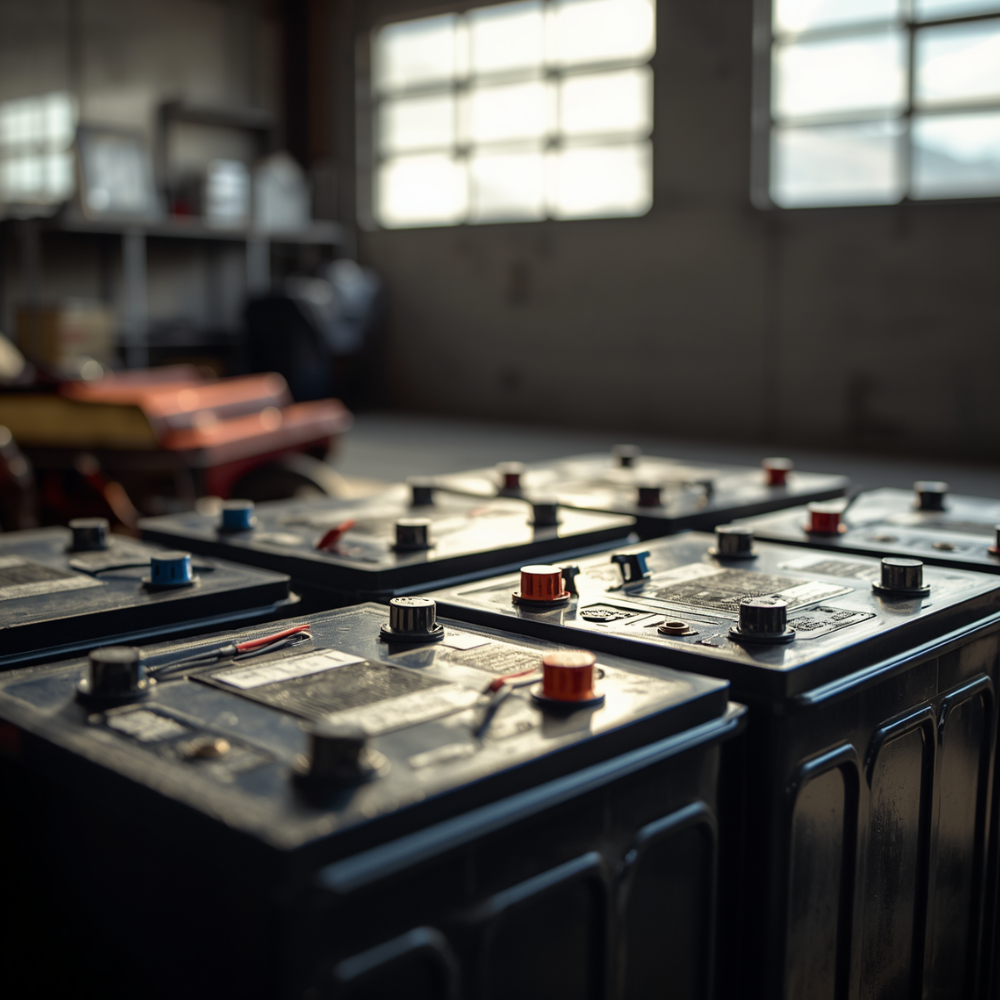
9. Battery Sulfation (Lead-Acid Batteries)
In lead-acid batteries: Sulfation occurs when batteries remain partially charged for long periods.
Symptoms
- Reduced capacity
- Slow charging
- Rapid discharge
👉 Very common in older lead-acid systems.
10. Phantom Loads (Hidden Electricity Usage)
Some devices consume power continuously even when not actively used.
Common Phantom Loads
- Wi-Fi routers
- TV standby mode
- Phone chargers
- Security systems
- Smart home devices
Example
Hidden load:
- 200W continuously
Overnight:
- 2+ kWh consumed
👉 Result: Unexpected battery drain.
Why Solar Battery Drains Even When No Appliances Are Running
Sometimes batteries lose charge even when very little power is being used.
👉 Possible reasons:
- Hidden standby loads
- Inverter self-consumption
- Weak battery cells
- Internal battery imbalance
Even small devices like:
- Routers
- Wi-Fi systems
- Security cameras
can slowly drain the battery overnight.
Why Battery Drains Quickly During Power Outages
During outages, many homes suddenly run:
- Fans
- Lights
- Refrigerator
- TV
- Wi-Fi
- AC
👉 Combined usage may exceed expected backup capacity.
Example:
Battery capacity → 5 kWh
Outage load → 2 kW continuous
👉 Backup time: Only around 2–2.5 hours
COMPLETE Step-by-Step Fix Guide
Step 1: Check Total Power Usage
Calculate nighttime electricity usage.
Example
Battery:
- 5 kWh usable capacity
Night usage:
- 8 kWh
👉 Battery will drain completely every night.
Step 2: Monitor Battery Charging
Check:
- Charging percentage
- Solar production
- Battery voltage
Step 3: Clean Solar Panels
Dirty panels reduce charging efficiency.
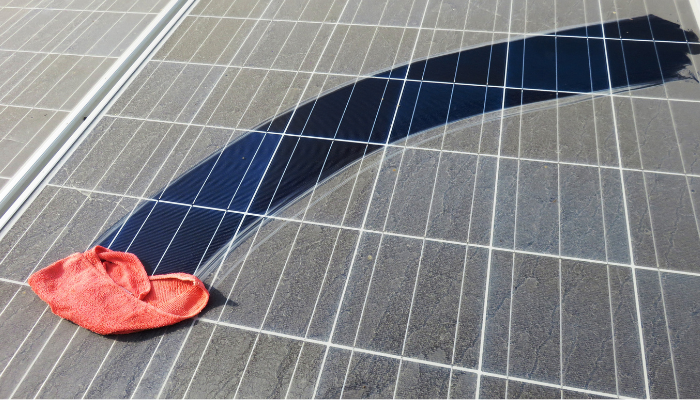
👉 Learn more: Solar Panel Cleaning
Step 4: Check Battery Health
Signs of weak battery:
- Heating
- Swelling
- Rapid discharge
- Reduced capacity
Step 5: Inspect Inverter Settings
Ensure:
- Correct battery profile
- Proper voltage settings
- Correct discharge limits
Step 6: Inspect Wiring
Check for:
- Loose terminals
- Corrosion
- Damaged wires
Step 7: Reduce Nighttime Loads
Prioritize:
- Essential appliances only
Step 8: Upgrade Battery Capacity (If Needed)
If your usage increased: Existing battery may be undersized.
Real-World Use Cases
Case 1: High Night Consumption
Problem: Battery drained before midnight.
Cause: AC + heater + multiple appliances running overnight.
Solution: Reduced unnecessary loads.
👉 Result: Battery lasted entire night.
Case 2: Dirty Panels Preventing Full Charging
Problem: Battery backup reduced gradually.
Cause: Dust accumulation reduced charging.
Solution: Panel cleaning.
👉 Result: Battery fully charged again.
Case 3: Aging Lead-Acid Battery
Problem: Battery drained within 2 hours.
Cause: Battery capacity reduced after years.
Solution: Battery replacement.
👉 Result: Backup restored normally.
Case 4: Tree Shade Reducing Charging
Problem: Battery not charging completely.
Cause: Afternoon tree shade.
Solution: Tree trimming.
👉 Result: Charging improved significantly.
Battery Drain vs Battery Health
| Battery Condition | Backup Performance |
|---|---|
| New battery | Maximum backup |
| Aging battery | Reduced backup |
| Poor charging | Fast drain |
| Properly maintained | Stable performance |
Why a New Solar Battery May Drain Fast
A new battery draining quickly may indicate:
- Incorrect inverter settings
- Improper installation
- Incomplete charging cycles
- Undersized battery system
👉 In many cases, the battery itself is not defective.
How to Prevent Fast Battery Drain
You can prevent the battery draining fast issue with the below methods.
Use Energy-Efficient Appliances
Reduces load significantly.
Avoid Deep Discharge
Deep discharge shortens lifespan.
Monitor Solar Production
Track daily charging.
Maintain Proper Ventilation
Heat damages batteries.
Clean Panels Regularly
Improves charging performance.
Size System Correctly
Proper sizing prevents overload and fast drain.
👉 Use: Solar Calculator
Why Solar Battery Drains Faster During Cloudy Weather
Cloudy weather reduces solar production.
👉 Result: Battery may not fully recharge during daytime.
Example:
Sunny day production → 25 kWh
Cloudy day production → 12–15 kWh
👉 Less charging = shorter nighttime backup
Lithium vs Lead-Acid Battery Drain Behavior
Lithium Batteries
- Better efficiency
- Slower capacity loss
- Longer backup stability
Lead-Acid Batteries
- Faster degradation
- More sensitive to deep discharge
- Higher maintenance requirements
👉 Lithium batteries usually maintain backup performance much longer.
Simple Battery Backup Calculation Example
Example:
Nighttime usage:
- Fans → 300W
- Lights → 200W
- Refrigerator → 200W
👉 Total load: 700W
Battery: 5 kWh usable capacity
👉 Estimated backup: Around 7 hours
How to Check if Your Solar Battery Is Failing
Possible warning signs:
- Backup time suddenly reduced
- Battery heating excessively
- Swelling or leakage
- Voltage dropping rapidly
- Battery not reaching full charge
👉 These usually indicate aging or damaged cells.
Seasonal Changes in Battery Performance
Battery backup may vary seasonally.
Summer
- Higher cooling load
- More solar production
Winter
- Lower battery efficiency
- Reduced charging in some regions
👉 Seasonal variation is normal to some extent.
Common Mistakes to Avoid
Running Heavy Loads Overnight
Quickly drains batteries.
Ignoring Battery Aging
Old batteries naturally lose capacity.
Ignoring Inverter Warnings
Minor issues become major problems.
Not Monitoring Solar Production
Poor charging often causes battery drain.
Oversizing Loads on Small Batteries
Causes constant deep discharge.
When Should You Upgrade Your Solar Battery?
Consider upgrading if:
- Backup time no longer meets your needs
- Power usage increased significantly
- Battery age exceeds expected lifespan
- Frequent deep discharge occurs
👉 Upgrading battery capacity can dramatically improve backup performance.
Expert Insights From Real Installations
From actual solar installations:
- Most battery drain issues are caused by high usage or poor charging
- Lithium batteries generally perform better long-term
- Dirty panels are a surprisingly common cause
- Proper sizing dramatically improves battery performance
FAQs
Why is my solar battery draining fast?
Usually because of high power usage, poor charging, or battery aging.
Can dirty solar panels cause battery drain?
Yes — dirty panels reduce charging efficiency.
Can a bad inverter drain the battery?
Yes — faulty settings or charging behavior can over-discharge batteries.
How long should solar batteries last overnight?
Depends on battery size and energy usage.
When should I replace my solar battery?
If backup time drops significantly despite proper charging and maintenance.
Final Thoughts
Fast solar battery drain is common but usually fixable.
Most causes include:
- Battery aging
- Excess power usage
- Low solar charging
- Inverter or wiring issues
👉 Proper maintenance, correct sizing, and monitoring can dramatically improve battery performance and lifespan.
Before upgrading your system:
👉 Use our solar calculator to estimate your energy usage, battery size, and backup requirements accurately.
