
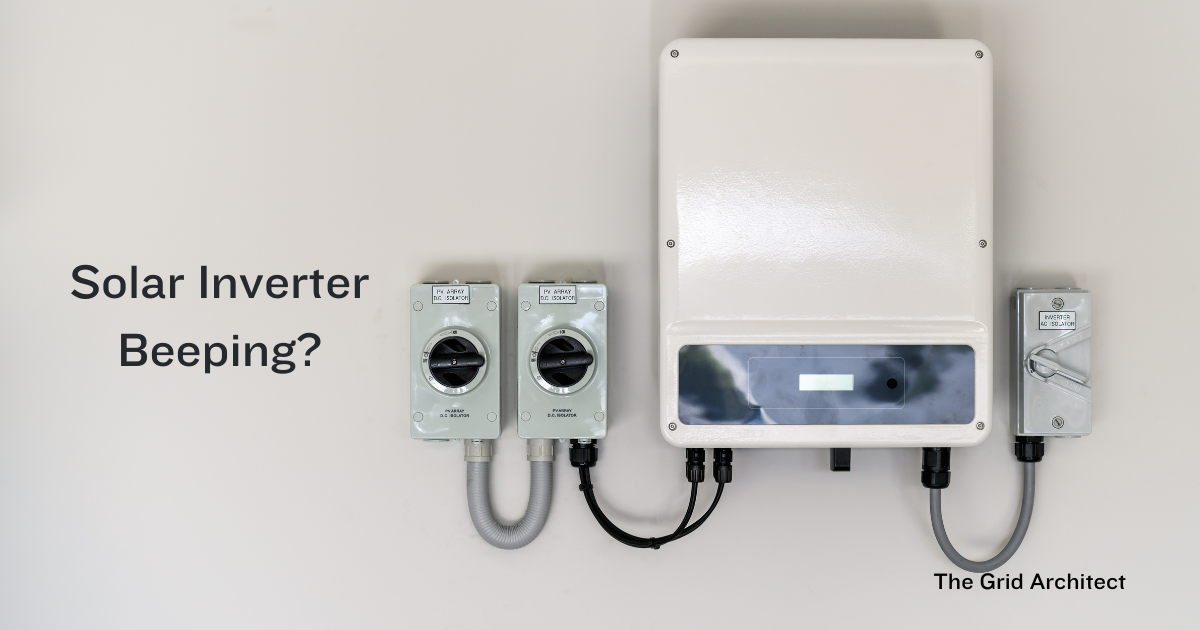

If your solar inverter suddenly starts beeping, don’t panic. A solar inverter beeping is usually a warning sign that something needs attention — but it does not always mean your solar system is failing.
In many cases, the issue can be solved within minutes.
The beep could indicate:
- Low battery voltage
- Power overload
- Grid failure
- Overheating
- Wiring faults
- Battery charging problems
- Internal inverter errors
In this guide, we’ll explain exactly why your solar inverter is beeping, what different beep patterns mean, how to troubleshoot the issue safely, and when you should call a technician.
What Does a Beeping Solar Inverter Mean?
A solar inverter uses sound alarms to alert users when the system detects abnormal conditions.
Think of it like a car dashboard warning light.
The inverter continuously monitors:
- Battery voltage
- Solar panel input
- Load usage
- Temperature
- Grid connection
- Internal electronics
When something goes outside the safe operating range, the inverter triggers an alarm.
Some issues are minor, while others require immediate attention.
Most Common Reasons For Solar Inverter Beeping
1. Low Battery Voltage
This is the most common reason. When the battery charge becomes too low, the inverter starts beeping to warn you before shutting down.
Common Symptoms
- Continuous beeping
- Battery icon blinking
- Inverter switching off after a few minutes
- Backup power failing quickly
Real-Life Example
Imagine a home during a rainy week. Solar panels produce less electricity because of poor sunlight. At the same time, the family runs:
- Fans
- TV
- Refrigerator
- Wi-Fi router
- Water pump
The battery drains faster than it charges.
Eventually, the inverter detects critically low battery voltage and starts beeping.
How to Fix It
- Turn off unnecessary appliances
- Allow the battery to recharge fully
- Check if solar panels are producing power
- Ensure the battery terminals are clean and tight
If the problem happens frequently, your battery may be aging or undersized.
2. Inverter Overload
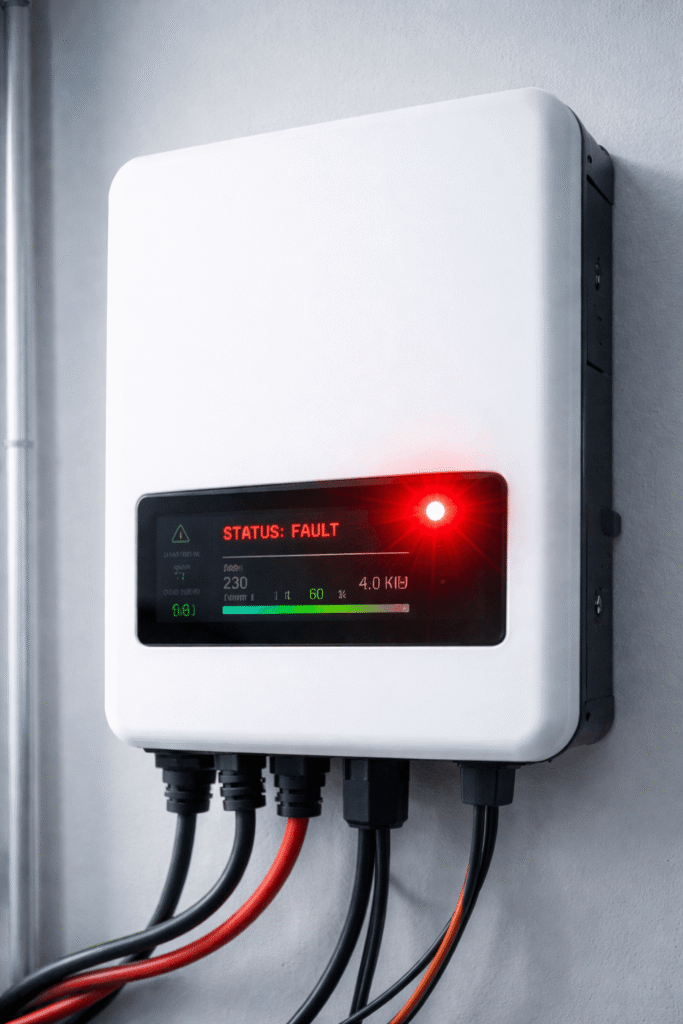
Your inverter has a maximum load capacity. If too many appliances run at the same time, the inverter will beep and may shut down for protection.
Common Signs
- Beeping starts immediately after turning on an appliance
- Inverter trips repeatedly
- “Overload” message appears on display
Real-Life Example
A homeowner runs:
- 1 air conditioner
- Microwave oven
- Water heater
- Washing machine
all at the same time on a small 1kVA inverter.
The inverter cannot handle the combined power demand and triggers an overload alarm.
Read More: Solar inverter overload problem
How to Fix It
- Turn off high-power appliances
- Reduce simultaneous usage
- Upgrade to a larger inverter if necessary
3. Solar Battery Not Charging Properly
Sometimes the inverter beeps because the battery is not receiving enough charge.
This can happen due to:
- Faulty solar panels
- Damaged charge controller
- Loose wiring
- Dirty panels
- Faulty battery
Symptoms
- Battery percentage never increases
- Backup time becomes very short
- Charging indicator stays off
Real-Life Example
A family notices their backup lasts only 20 minutes despite sunny weather. After inspection, they discover bird droppings and dust covering most of the solar panels. The panels were generating only a fraction of their normal output.
How to Fix It
- Clean the solar panels
- Check for shadow obstruction
- Inspect wiring connections
- Verify charge controller settings
4. Grid Failure or Power Outage
Hybrid and grid-tied solar inverters often beep when the grid power fails. This is usually normal behavior.
Why It Happens
The inverter alerts users that:
- Grid electricity is unavailable
- The system switched to battery mode
- Backup operation has started
Real-Life Example
During a thunderstorm, utility power goes out. The inverter immediately switches to battery backup and begins beeping every few seconds. This is simply a notification that the home is running on stored power.
How to Fix It
Usually no fix is needed.
The beeping should stop when grid power returns.
Some inverter models allow alarm sounds to be muted through settings.
5. Overheating
Solar inverters generate heat during operation. If airflow becomes restricted or room temperatures rise too high, the inverter may overheat and start beeping.
Symptoms
- Hot inverter surface
- Cooling fan running continuously
- System shutdown during afternoon hours
Real-Life Example
An inverter installed inside a closed kitchen cabinet receives poor ventilation. During summer afternoons, internal temperatures rise above safe levels, triggering thermal alarms.
How to Fix It
- Improve ventilation
- Keep the inverter in a shaded area
- Clean cooling vents
- Remove dust buildup
- Ensure fans are working properly
6. Faulty Battery Connections
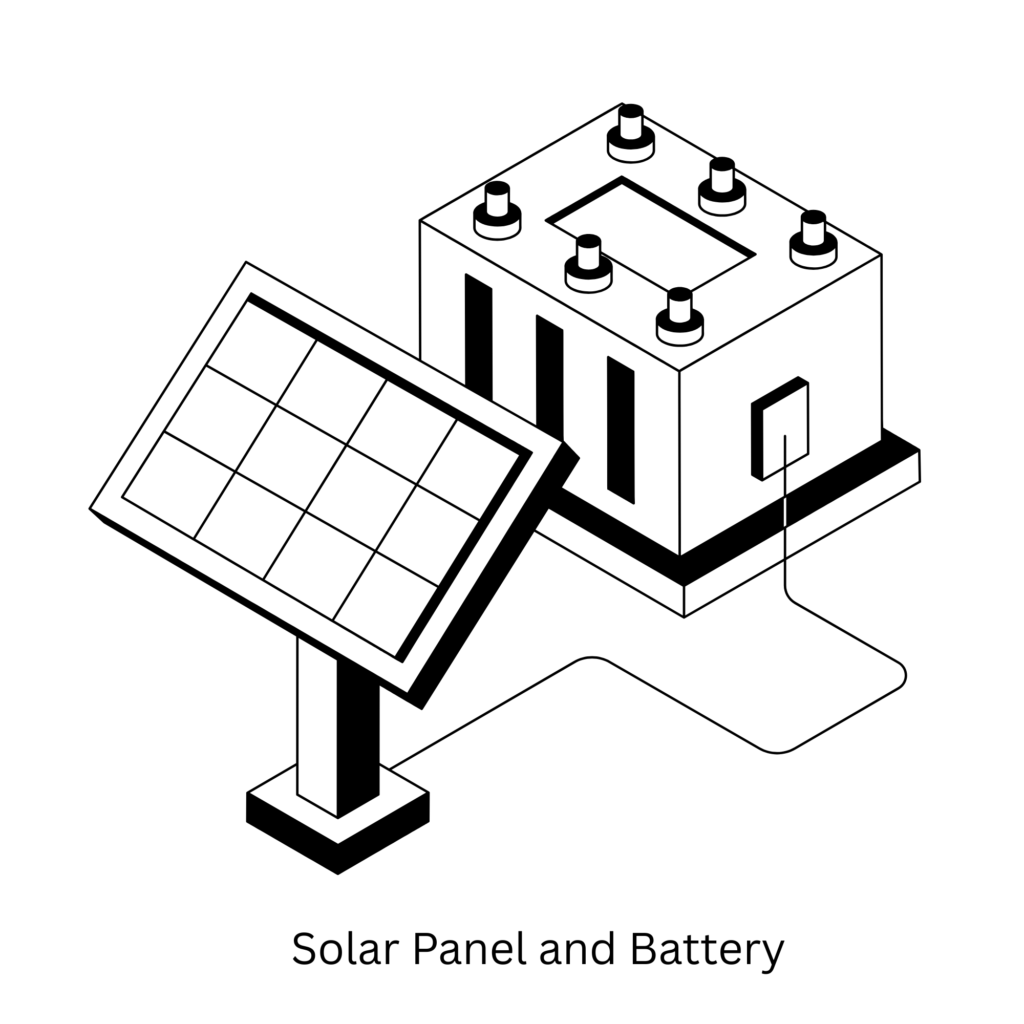
Loose or corroded battery terminals can interrupt power flow. The inverter detects unstable voltage and starts beeping.
Signs
- Random alarm sounds
- Flickering display
- Burn marks near terminals
How to Fix It
- Tighten all battery terminals
- Clean corrosion carefully
- Replace damaged cables
- Ensure proper polarity connection
⚠️ Always turn off the system before touching battery terminals.
7. Internal Inverter Fault
Sometimes the inverter itself develops hardware or software issues.
Possible Causes
- Damaged circuit board
- Failed cooling fan
- Sensor malfunction
- Firmware issues
Symptoms
- Error codes
- Continuous alarm even after reset
- Inverter not powering appliances
How to Fix It
- Restart the inverter
- Check the manual for error codes
- Contact authorised service support
Understanding Different Beep Patterns
Different beep sounds often indicate different problems.
| Beep Pattern | Possible Meaning |
|---|---|
| Continuous beeping | Low battery or critical fault |
| Short beeps every few seconds | Grid failure or warning |
| Rapid beeping | Overload condition |
| Beep + shutdown | Overheating or battery protection |
| Random intermittent beeps | Loose wiring or unstable voltage |
Always check the display screen for additional clues.
Common Solar Inverter Error Codes
Different brands use different error codes, but some are common across many systems.
| Error Code | Meaning |
|---|---|
| E01 | Battery low |
| E02 | Overload |
| E03 | Overheating |
| E04 | Fan failure |
| E05 | Output short circuit |
| E06 | Battery connection fault |
Refer to your inverter manual for brand-specific details.
How to Stop a Solar Inverter from Beeping
Step 1: Check the Display Screen
Look for:
- Error codes
- Warning icons
- Battery level
- Load percentage
Step 2: Reduce Electrical Load
Turn off:
- Air conditioners
- Water heaters
- Microwaves
- Heavy appliances
Step 3: Inspect the Battery
Check for:
- Loose terminals
- Corrosion
- Swollen battery case
- Low charge
Step 4: Check Solar Charging
Verify that:
- Panels are clean
- No shading exists
- Solar input is active
Step 5: Restart the Inverter
Sometimes a simple reboot fixes temporary software glitches.
When You Should Call a Technician

Call professional support if:
- The inverter keeps beeping continuously
- You smell burning
- The inverter shuts down repeatedly
- Error codes persist
- Battery swelling is visible
- Wires appear damaged
Ignoring these signs can cause bigger system failures.
How to Prevent Future Inverter Beeping Issues
Maintain Your Solar Panels
Clean panels every few weeks to maximize charging efficiency.
Avoid Overloading
Do not exceed inverter capacity. Distribute heavy appliance usage throughout the day.

Service Batteries Regularly
Especially for lead-acid batteries:
- Check water levels
- Inspect terminals
- Test battery health
Improve Ventilation
Keep the inverter in a cool, dry, well-ventilated area.
Monitor Your System Frequently
Most modern inverters offer mobile apps for:
- Battery monitoring
- Error alerts
- Solar generation tracking
Regular monitoring helps detect problems early.
Frequently Asked Questions
Is it normal for a solar inverter to beep?
Yes. In many cases, beeping is simply a warning or notification system.
Can I mute the inverter alarm?
Many inverter brands allow alarm muting through settings or mobile apps. Check your user manual.
Does inverter beeping always mean battery problems?
No. Beeping can also indicate:
- Overload
- Overheating
- Grid failure
- Internal faults
Why does my inverter beep at night?
At night, solar panels stop producing electricity. If the battery charge becomes too low overnight, the inverter may trigger alarms.
Can a faulty solar panel cause inverter beeping?
Yes. If solar panels fail to charge the battery properly, the inverter may detect low voltage conditions.
Final Thoughts
A beeping solar inverter is usually a warning sign — not necessarily a disaster.
In most cases, the issue is related to:
- Low battery charge
- Excess appliance load
- Charging problems
- Heat buildup
- Temporary grid issues
Understanding what the beep means can help you solve the problem quickly and avoid expensive repairs later.
Regular maintenance, proper system sizing, and monitoring your solar setup can prevent most inverter alarm problems before they become serious.
