
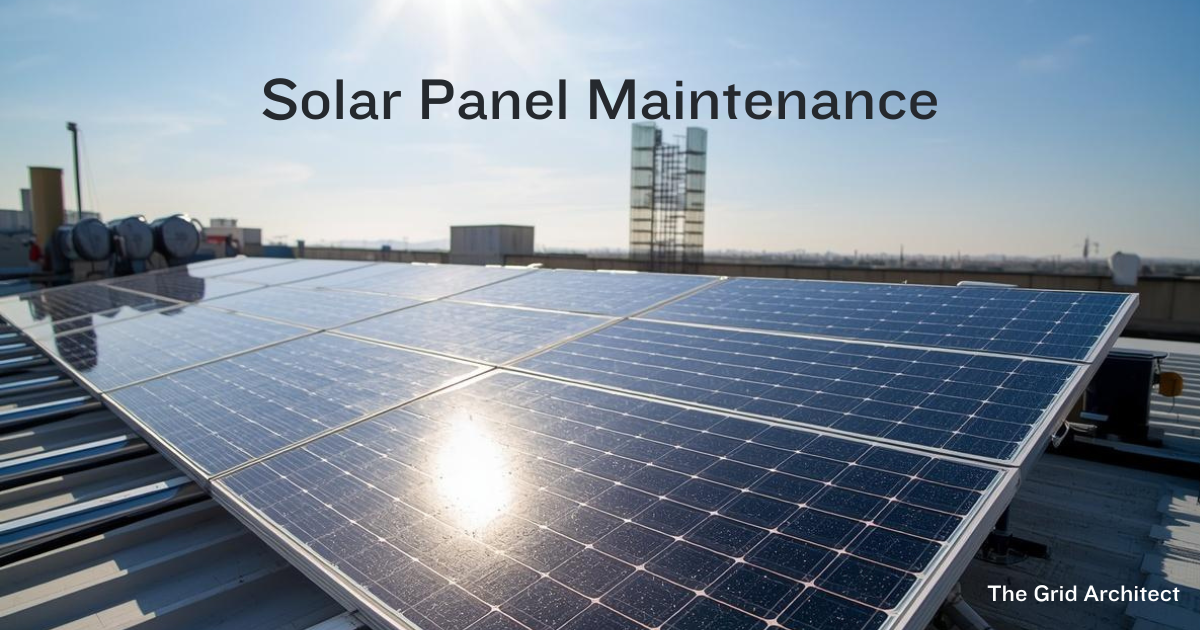

One of the biggest advantages of solar panels is that they require very little maintenance compared to other energy systems. But “low maintenance” does not mean “zero maintenance.” Proper solar panel maintenance helps:
- Maximize energy production
- Extend system lifespan
- Improve long-term savings
- Prevent unexpected system failures
- Protect your return on investment (ROI)
In this complete 2026 guide, you’ll learn:
- How to maintain solar panels properly
- How often to clean them
- Real-world maintenance examples
- Common mistakes homeowners make
- Professional vs DIY maintenance
- How maintenance affects solar output and ROI
Quick Answer
👉 Solar panels require very little maintenance.
Most systems only need:
- Basic cleaning every 6–12 months
- Occasional inspection
- Performance monitoring
👉 A properly maintained solar system can last 25–30 years or more
Why Solar Panel Maintenance Matters
Solar panels work outdoors year-round.
Over time, environmental factors can affect performance.
👉 Common issues include:
- Dust buildup
- Bird droppings
- Leaves and debris
- Shading from trees
- Loose wiring
- Inverter issues
Even a small drop in efficiency can reduce long-term savings significantly.
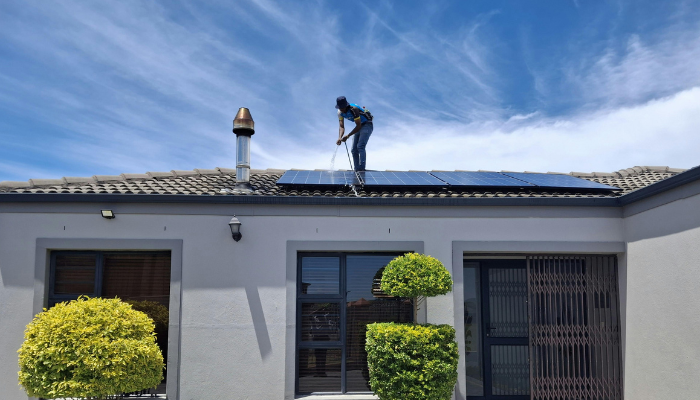
Example
A 5kW solar system producing:
- 22 kWh/day normally
If dirt reduces efficiency by 10%:
- Production drops to ~20 kWh/day
👉 Over a year:
This can lead to hundreds of kWh in lost electricity.
👉 Learn more about output: Solar Panel output per day
Recommended Solar Panel Cleaning Frequency
| Environment | Recommended Cleaning |
|---|---|
| Residential areas | Every 6–12 months |
| Dusty regions | Every 3–6 months |
| Industrial zones | 2–4 times/year |
| Rainy climates | Less frequent cleaning |
👉 Cleaning frequency depends heavily on dust, pollution, trees, and bird activity.
How Often Should Solar Panels Be Cleaned?
Cleaning frequency depends on your environment.
Typical Residential Areas
👉 Every 6–12 months is usually enough.
Dusty or Polluted Areas
May require cleaning every:
- 3–6 months
Rainy Areas
Rain naturally removes some dirt.
👉 Less frequent cleaning may be needed.
Areas With Birds or Trees
More frequent inspection is important because:
- Bird droppings create hot spots
- Leaves can block sunlight
How Dirt Affects Solar Output
| Condition | Estimated Output Loss |
|---|---|
| Light dust | 2–5% |
| Moderate dirt | 5–10% |
| Heavy dirt | 10–20% |
| Bird droppings/shading | Significant local loss |
👉 Dirt impact increases over time if ignored.
Complete Solar Panel Maintenance Checklist
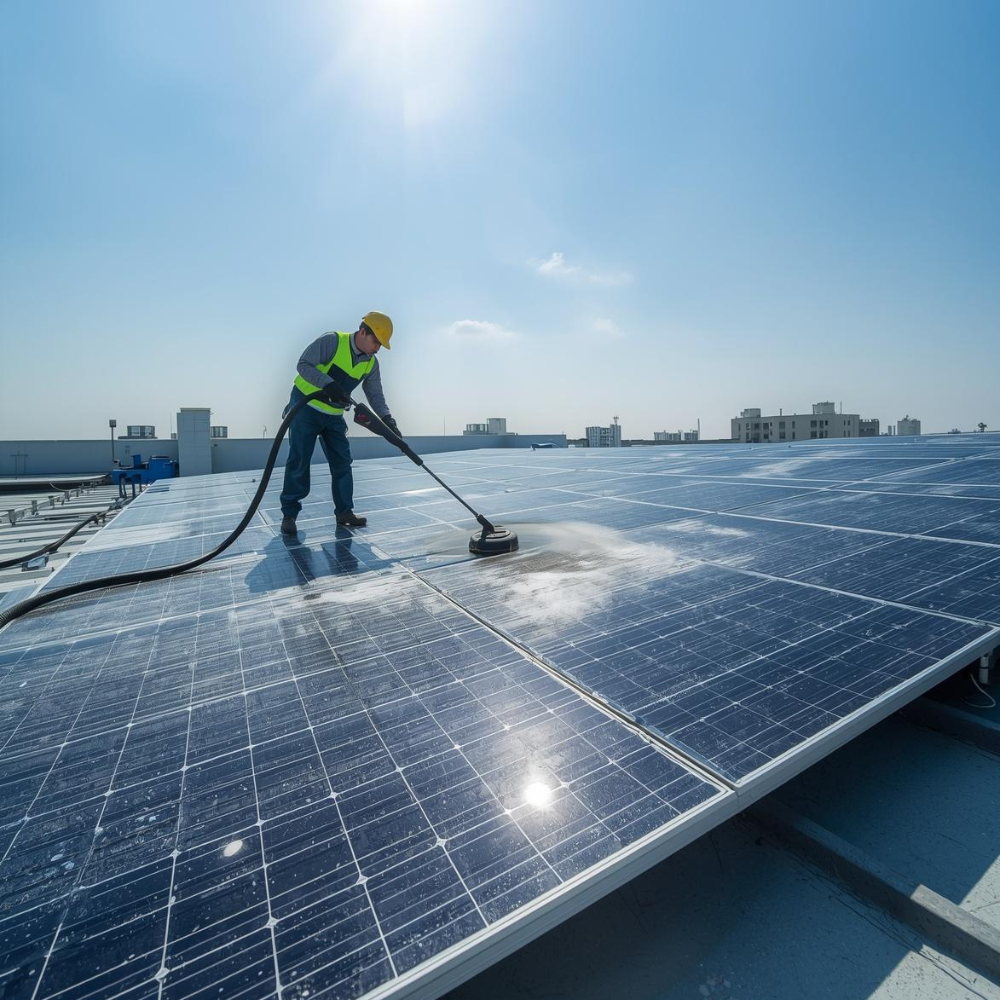
1. Clean the Panels
Remove:
- Dust
- Bird droppings
- Leaves
- Pollen
👉 Clean panels produce more electricity.
2. Inspect for Physical Damage
Check for:
- Cracks
- Discoloration
- Broken glass
- Loose mounts
3. Monitor Energy Production
Track system output regularly.
👉 Sudden drop = possible issue
Example:
If your system normally produces:
- 20 kWh/day
But suddenly drops to:
- 14 kWh/day
👉 Possible causes:
- Dirt
- Shading
- Inverter problem
👉 Related guide: Solar Panel not producing expected power
4. Check the Inverter
The inverter is one of the most important components.
Watch for:
- Red warning lights
- Error messages
- Unusual noise
5. Inspect Wiring and Connections
Look for:
- Loose cables
- Corrosion
- Water damage
6. Trim Nearby Trees
Growing trees can create shading over time.
👉 Even partial shading reduces output significantly.
How Much Performance Loss Is Normal?
Solar panels naturally lose a small amount of efficiency over time.
👉 Typical annual degradation:
- Around 0.4%–0.5% per year
👉 But sudden drops in output are NOT normal.
Example:
- Normal seasonal variation → acceptable
- Sudden 15–20% drop → possible maintenance issue
How to Clean Solar Panels Properly
Safe Cleaning Method
Use:
- Soft sponge or microfiber cloth
- Mild soap and water
- Low-pressure hose
Best Time to Clean
👉 Early morning or evening
Avoid:
- Peak afternoon heat
Why?
Cold water on hot panels may cause:
- Thermal stress
- Micro cracks
DIY Cleaning vs Professional Cleaning
DIY Cleaning
Suitable for:
- Ground-access systems
- Light cleaning
- Routine inspection
Professional Cleaning
Recommended for:
- High rooftops
- Large systems
- Heavy dirt buildup
- Electrical inspection
👉 Professional servicing every 1–2 years helps identify hidden issues early.
What NOT to Use
Avoid:
- Harsh chemicals
- Abrasive brushes
- Pressure washers
- Metal tools
👉 These can damage panel glass or coating.
What Part of the Solar System Needs Most Maintenance?
In most systems:
👉 Solar panels rarely fail.
The components that need more attention are:
- Inverters
- Batteries
- Wiring
- Connectors
👉 This is why monitoring the inverter is extremely important.
Seasonal Solar Panel Maintenance Tips
Summer Maintenance
Common issues:
- Dust buildup
- Overheating
Tips:
- Improve airflow
- Clean more frequently in dusty areas
Autumn Maintenance
Watch for:
- Fallen leaves
- Debris accumulation
Winter Maintenance
Possible issues:
- Snow coverage
- Reduced sunlight
👉 Snow usually melts naturally, but heavy buildup may require careful removal.
Rainy Season Maintenance
Inspect for:
- Water leakage
- Loose wiring
- Corrosion
What Happens If Solar Panels Are Never Cleaned?
Over time:
- Dirt buildup increases
- Output gradually drops
- Hot spots may develop
- Long-term efficiency may reduce
👉 In dusty environments, neglected panels can lose significant output.
Best Time to Clean Solar Panels
👉 Early morning or evening is ideal.
Avoid:
- Cleaning during peak afternoon heat
👉 Sudden temperature change from cold water on hot panels may stress the glass.
Real-World Solar Panel Maintenance Use Cases
Case 1: Dust Problem in Dry Area
A homeowner noticed:
- 12–15% lower production during summer
Cause:
- Heavy dust accumulation
Solution:
- Cleaning every 3 months
👉 Result: Production returned to normal.
Case 2: Bird Dropping Hot Spot
A system developed reduced output in one panel.
Cause:
- Bird droppings causing localized overheating
Solution:
- Cleaning + installing bird guards
👉 Result: System efficiency improved.
Case 3: Tree Growth Causing Shading
A solar system gradually lost output over 2 years.
Cause:
- Trees growing taller near roof
Solution:
- Tree trimming
👉 Result: Energy production increased immediately.
Battery Maintenance (If Applicable)
If your system uses batteries:
Important Battery Maintenance Tips
- Avoid deep discharge
- Ensure proper ventilation
- Monitor charging behavior
- Keep terminals clean
👉 Weak batteries can cause:
- Low backup time
- Overload issues
- Reduced system performance
👉 Related guide: Solar battery not charging
Solar Panel Maintenance Cost
One major advantage of solar:
👉 Maintenance cost is low.
Typical Annual Maintenance Cost
| System Type | Estimated Cost |
|---|---|
| Basic residential | Very low |
| Large systems | Moderate |
| Battery systems | Slightly higher |
👉 Most homeowners only spend on:
- Occasional cleaning
- Inspection
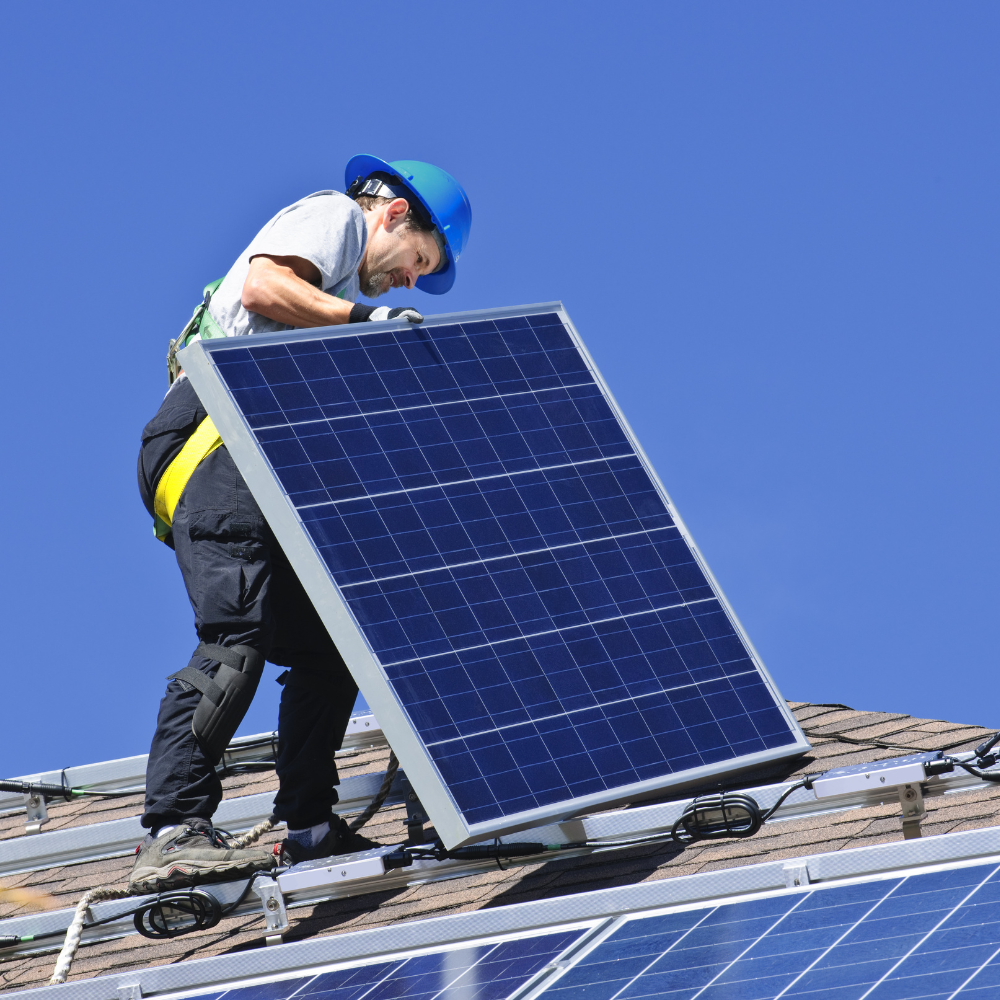
Professional vs DIY Maintenance
DIY Maintenance
Suitable for:
- Cleaning
- Visual inspection
- Monitoring output
Professional Maintenance
Recommended for:
- Electrical inspection
- Wiring repair
- Inverter servicing
- Roof safety concerns
👉 Professional inspection every 1–2 years is ideal.
How Maintenance Affects ROI
Proper maintenance improves:
- Output
- Efficiency
- Lifespan
- Savings
Example
A 10% output loss over years can significantly reduce lifetime savings.
👉 Better maintenance = better ROI
👉 Learn more: Solar Panel ROI
Real-World Insights From Installers
From actual installations:
- Panels usually require very little maintenance
- Inverters fail more often than panels
- Most output problems are caused by dirt or shading
- Proper installation reduces future maintenance needs
Common Maintenance Mistakes
❌ Ignoring Small Output Drops
Small issues become larger problems over time.
❌ Cleaning During Peak Heat
Can damage panel surface.
❌ Using Hard Brushes
May scratch protective coating.
❌ Ignoring Inverter Warnings
Early warnings prevent major failures.
❌ Not Monitoring Production
Many homeowners don’t notice performance loss.
Solar Panel Lifespan vs Maintenance
| Maintenance Level | Expected Performance |
|---|---|
| Poor maintenance | Reduced output |
| Basic maintenance | Stable operation |
| Proper maintenance | Maximum lifespan & efficiency |
👉 Learn more about lifespan: How long does solar panel last?
Tips to Maximize Solar System Performance
- Use high-efficiency panels
- Keep panels clean
- Avoid shading
- Choose quality inverter
- Monitor production regularly
- Address issues early
👉 Related guide: Best Solar Panels
FAQs
Do solar panels require maintenance?
Yes, but much less than most other energy systems.
How often should solar panels be cleaned?
Usually every 6–12 months.
Does dirt reduce solar output?
Yes — dirt and shading can significantly reduce production.
Can I clean solar panels myself?
Yes, basic cleaning is usually safe.
Do solar panels require yearly servicing?
Professional inspection every 1–2 years is recommended.
What part of the solar system needs most maintenance?
Inverters and batteries usually need more attention than panels.
Final Thoughts
Solar panels are one of the easiest energy systems to maintain.
With simple care:
- Panels can last 25–30 years
- Output remains high
- Savings stay consistent
👉 Basic maintenance like cleaning, monitoring, and inspection helps maximize performance and long-term ROI.
Before installing solar:
👉 Use our solar calculator to estimate your system size, output, and savings accurately.
