
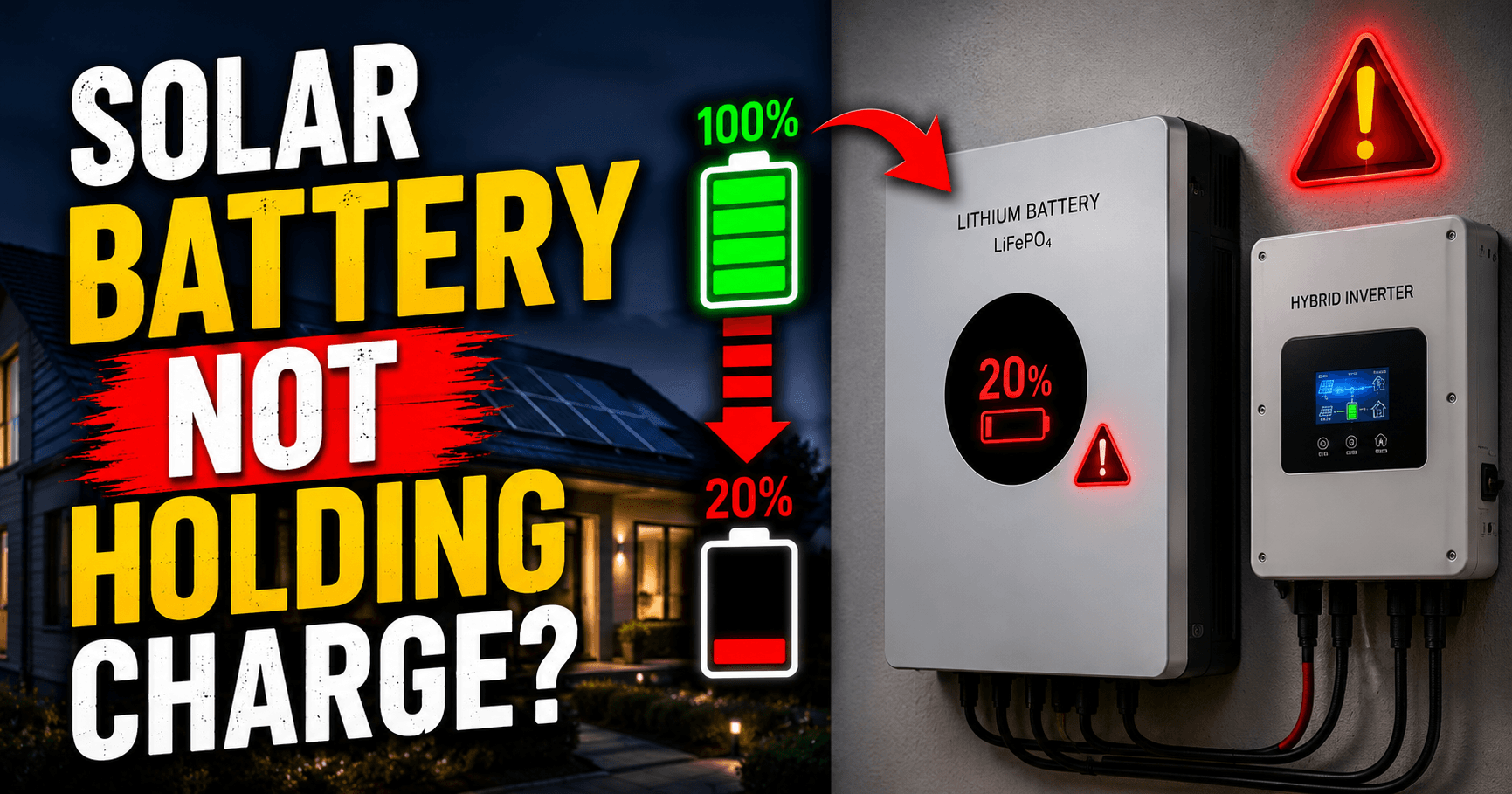

If your solar battery not holding charge you’re likely dealing with a battery that is no longer holding charge properly. This is one of the most common solar battery problems homeowners face.
You may notice:
- Backup time getting shorter
- Battery percentage dropping rapidly
- Battery reaching full charge but draining quickly
- Frequent low-battery warnings
- Reduced performance during power outages
The good news? In many cases, the problem can be diagnosed and fixed before replacing the battery.
In this complete guide, you’ll learn:
- Why solar batteries stop holding charge
- Common warning signs
- Real-world examples
- Step-by-step troubleshooting
- When replacement becomes necessary
Quick Answer
A solar battery may not hold charge because of:
- Battery aging
- Deep discharge damage
- Incomplete charging
- High power consumption
- Battery sulfation (lead-acid)
- Extreme temperatures
- Faulty charging equipment
- Internal battery failure
Most battery charge retention problems develop gradually over time.
Signs Your Solar Battery Not Holding Charge
Common symptoms include:
- Backup time becoming shorter
- Battery percentage dropping quickly
- Battery reaches 100% but drains rapidly
- Frequent low battery alarms
- Reduced overnight backup
- Inverter showing battery warnings
How a Healthy Solar Battery Should Behave
A properly functioning solar battery should:
- Charge efficiently during the day
- Hold energy for several hours or overnight
- Discharge gradually under normal loads
- Maintain stable voltage
If charge disappears unusually fast, something is wrong.
1. Battery Aging (Most Common Cause)
All batteries degrade over time.
After years of charging and discharging:
- Capacity decreases
- Internal resistance increases
- Charge retention drops
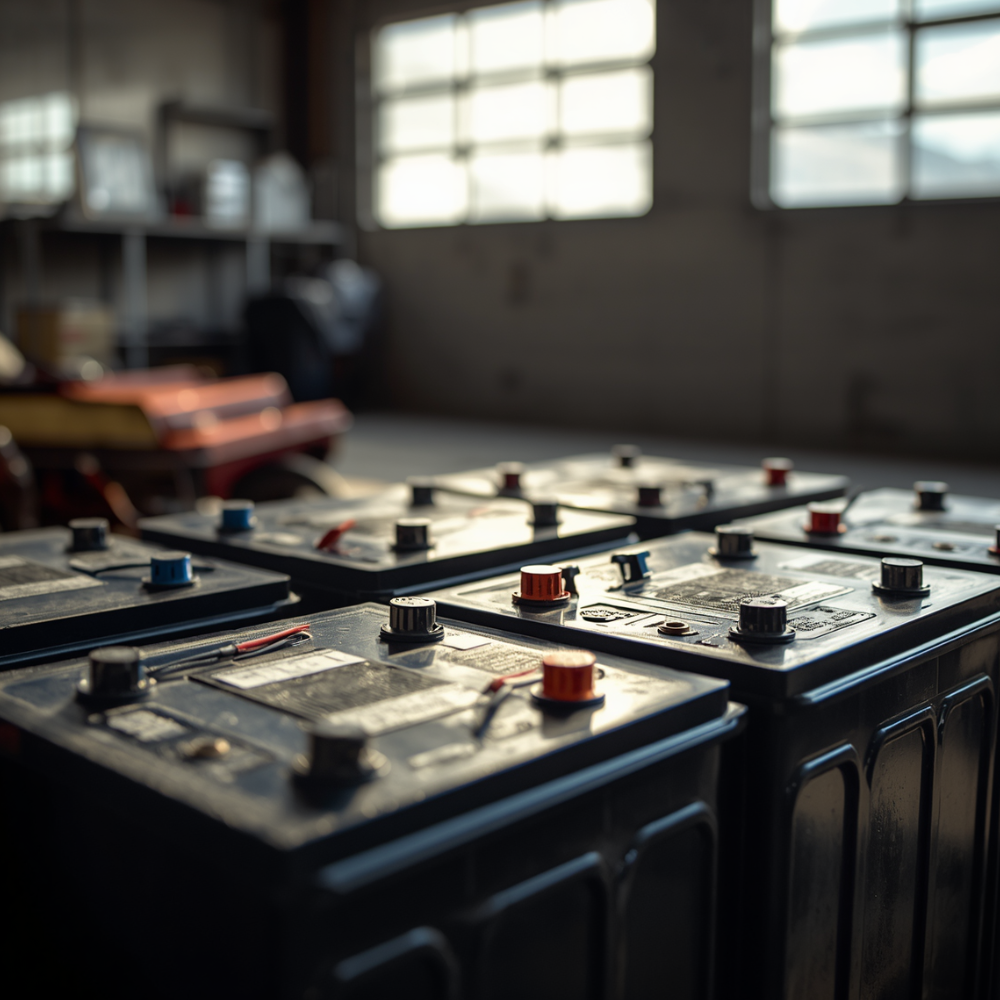
Real Example
Original battery: 10 kWh
After years of usage: Actual usable capacity: 6–7 kWh
Result: Battery appears fully charged but runs out much sooner.
Typical Battery Lifespan
| Battery Type | Average Lifespan |
|---|---|
| Lead-Acid | 3–7 Years |
| AGM | 4–8 Years |
| Lithium-Ion | 10–15 Years |
| LiFePO4 | 10–20 Years |
2. Excessive Power Consumption
Sometimes the battery is healthy.
The real problem is high energy demand.
Common Hidden Loads
- Refrigerators
- Routers
- Security cameras
- Chargers
- TV standby mode
Real Example
Battery: 10 kWh
Nighttime loads:
- Refrigerator
- Wi-Fi
- Security cameras
- Television
Result: Battery drains much faster than expected.
3. Battery Not Charging Fully
A battery that isn’t fully charged cannot provide full backup.
Common causes:
- Dirty solar panels
- Cloudy weather
- Faulty charge controller
- Incorrect inverter settings
Related Guides
4. Dirty Solar Panels Reduce Charging
Many homeowners overlook this. Dust and dirt can reduce solar production significantly.
Result: Battery starts each night with less stored energy.

Real Example
Problem: Battery backup reduced dramatically.
Cause: Panels covered with dust.
Solution: Solar Panel cleaning.
Result: Battery charging improved noticeably.
5. Extreme Temperatures
Both heat and cold affect battery performance.
Hot Weather
Can accelerate battery aging.
Cold Weather
Can temporarily reduce battery capacity.
Real Example
Battery appeared weak during winter.
Cause: Low temperatures reduced usable capacity.
Result: Battery performance returned when temperatures increased.
6. Deep Discharge Damage
Repeated deep discharge can permanently reduce battery capacity.
This is especially common with lead-acid batteries.
Symptoms
- Rapid discharge
- Reduced backup time
- Difficulty charging fully
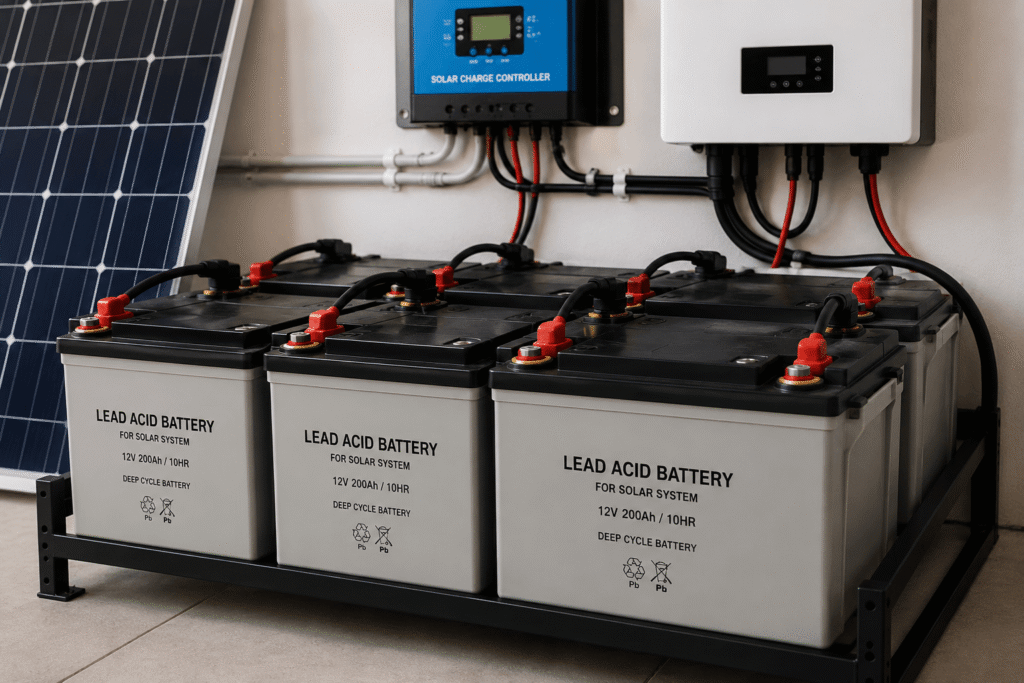
7. Battery Sulfation (Lead-Acid Batteries)
Lead-acid batteries may develop sulfate crystals when:
- Left discharged
- Poorly maintained
- Undercharged repeatedly
Result: Reduced charge retention.
Common Signs
- Lower capacity
- Slow charging
- Reduced backup
8. Faulty Charge Controller
The charge controller regulates charging.
If it malfunctions:
- Battery may undercharge
- Battery may never reach full capacity
Symptoms
- Charging stops early
- Unstable battery percentage
- Poor backup performance
9. Incorrect Inverter Settings
Wrong battery configuration can affect charging and discharging.
Examples:
- Incorrect battery type selected
- Wrong charging voltage
- Wrong discharge limits
Real Example
Lithium battery configured as lead-acid.
Result: Improper charging behavior and reduced backup.
10. Internal Battery Cell Failure
One damaged cell can affect the entire battery pack.
Symptoms
- Sudden charge loss
- Rapid discharge
- Heating
- Swelling
Warning
Damaged batteries should be inspected immediately.
Why Does My Battery Drain Overnight?
Common causes include:
- High nighttime loads
- Aging battery
- Hidden standby devices
- Incomplete daytime charging
Real Example
Homeowner believed battery was defective.
Actual cause: Security cameras and networking equipment consumed power continuously overnight.
Result: Battery drained much faster than expected.
Real Backup Example
Battery: 10 kWh
Nighttime Load:
- Refrigerator → 200W
- Fans → 200W
- Lighting → 100W
Total: 500W
Estimated Backup: Approximately 20 hours under ideal conditions. Higher loads reduce backup duration.
Which Battery Holds Charge Better?
Different battery technologies retain energy differently.
| Feature | Lithium Battery | Lead-Acid Battery |
|---|---|---|
| Charge Retention | Excellent | Moderate |
| Deep Discharge Tolerance | High | Lower |
| Self-Discharge Rate | Low | Higher |
| Lifespan | Longer | Shorter |
Lithium batteries generally maintain usable capacity much longer than lead-acid batteries.
How to Troubleshoot a Battery Not Holding Charge
Step 1: Check Battery Age
Older batteries naturally lose capacity.
Step 2: Review Nighttime Loads
Identify:
- Hidden loads
- High-consumption appliances
Step 3: Verify Full Charging
Monitor:
- Solar production
- Charging status
- Battery percentage
Step 4: Check Battery Temperature
Inspect for:
- Excess heat
- Poor ventilation
Step 5: Inspect Inverter Settings
Verify:
- Battery type
- Charging profile
- Voltage settings
Step 6: Test Battery Capacity
Compare: Expected backup time vs actual backup time.
Real-World Case Studies
Case 1: Aging Lead-Acid Battery
Problem: Battery backup dropped from 8 hours to 3 hours.
Cause: Battery age exceeded 6 years.
Solution: Battery replacement.
Result: Normal backup restored.
Case 2: Dirty Panels
Problem: Battery not holding enough charge overnight.
Cause: Reduced daytime charging.
Solution: Panel cleaning.
Result: Backup duration increased.
Case 3: Hidden Loads
Problem: Battery drained unexpectedly every night.
Cause: Multiple standby devices.
Solution: Reduced unnecessary loads.
Result: Significantly longer backup.
Why Battery Shows 100% But Drains Quickly
Battery Shows Full Charge But Doesn’t Last
Many homeowners become confused when their battery reaches 100% but runs out of power quickly.
This usually indicates:
- Reduced battery capacity
- Battery aging
- Cell imbalance
- Incorrect battery calibration
Real Example
Original battery capacity: 10 kWh
Current usable capacity: 5 kWh
The monitoring app may still show 100% charge, but the battery now stores much less energy than when it was new.
Result: Backup time becomes significantly shorter.
Can an Oversized Load Make a Battery Look Faulty?
High Power Consumption Can Mimic Battery Problems. Sometimes the battery is working correctly. The actual issue is excessive power demand.
Common Examples
- Air conditioner running overnight
- Water heater operating on backup power
- Multiple appliances running simultaneously
Real Example
Battery: 10 kWh
Load:
- AC = 1500W
- Refrigerator = 200W
- Lighting = 150W
Result: Battery drains much faster than expected. Many homeowners mistakenly assume the battery is defective when the real issue is high consumption.
What Is Battery Self-Discharge?
Even when not being used, batteries slowly lose energy. This is called self-discharge.
Typical Rates
- Lithium batteries: very low
- Lead-acid batteries: higher
If a battery loses charge unusually quickly while disconnected from loads, internal deterioration may be occurring.
Why Battery Backup Keeps Getting Shorter Each Year
Gradual Capacity Loss Is Normal
All batteries lose storage capacity over time.
For example:
Year 1: 10 kWh usable
Year 5: 8–9 kWh usable
Year 10: 6–7 kWh usable
The exact rate depends on:
- Battery chemistry
- Charging habits
- Temperature
- Usage cycles
Battery May Be Undersized
A battery can appear weak even when functioning correctly.
Example
Battery: 5 kWh
Household Night Load:
- Refrigerator
- Fans
- Television
- Router
Result: Battery reaches low state of charge before morning. The issue is insufficient capacity rather than battery failure.
How to Test Battery Health at Home
Homeowners can perform basic checks:
Check 1
- Monitor backup duration.
- Compare: Expected runtime vs actual runtime.
Check 2
- Observe charging behavior.
- Does the battery reach full charge normally?
Check 3
- Check for overheating.
- Excess heat may indicate battery deterioration.
Check 4
- Inspect for swelling or physical damage.
- If any damage is visible, professional inspection is recommended.
Can a Hybrid Inverter Affect Battery Performance?
Incorrect inverter settings can cause:
- Undercharging
- Premature discharge
- Reduced battery lifespan
Examples include:
- Incorrect battery type selection
- Wrong charging voltage
- Improper discharge limits
Related Guide: Hybrid Solar Inverter
When Should You Replace the Battery?
Consider replacement if:
- Capacity drops significantly
- Backup becomes unreliable
- Battery overheats
- Swelling occurs
- Battery reaches end of lifespan
Frequently Asked Questions
Why does my solar battery charge but not hold charge?
Common causes include battery aging, deep discharge damage, and incomplete charging.
Can a bad battery still show 100% charge?
Yes. Some batteries reach full voltage but have significantly reduced capacity.
Can dirty solar panels affect battery backup?
Yes. Reduced solar production means less energy is available for charging.
How long should a solar battery hold charge?
The answer depends on:
- Battery size
- Battery health
- Connected loads
A healthy battery should retain energy for several hours or overnight.
Can cold weather reduce battery capacity?
Yes. Low temperatures temporarily reduce available battery capacity.
Is it better to repair or replace a solar battery?
Minor charging issues may be repairable.
However, severely degraded batteries are usually best replaced.
Should I replace a battery that no longer holds charge?
If capacity has dropped significantly and backup performance is no longer adequate, replacement is often the most cost-effective solution.
How do I know if my solar battery is failing?
Common signs include:
- Shorter backup time
- Rapid discharge
- Overheating
- Swelling
- Frequent inverter warnings
Final Thoughts
If your solar battery is not holding charge, the cause is often:
- Battery aging
- High energy usage
- Incomplete charging
- Temperature effects
- Internal battery degradation
Regular monitoring, proper maintenance, and correct system sizing can dramatically improve battery performance and lifespan.
Before replacing your battery, use our Solar Battery Sizing Calculator to verify whether your current battery capacity matches your actual backup requirements.
